The Second Best Shawarma

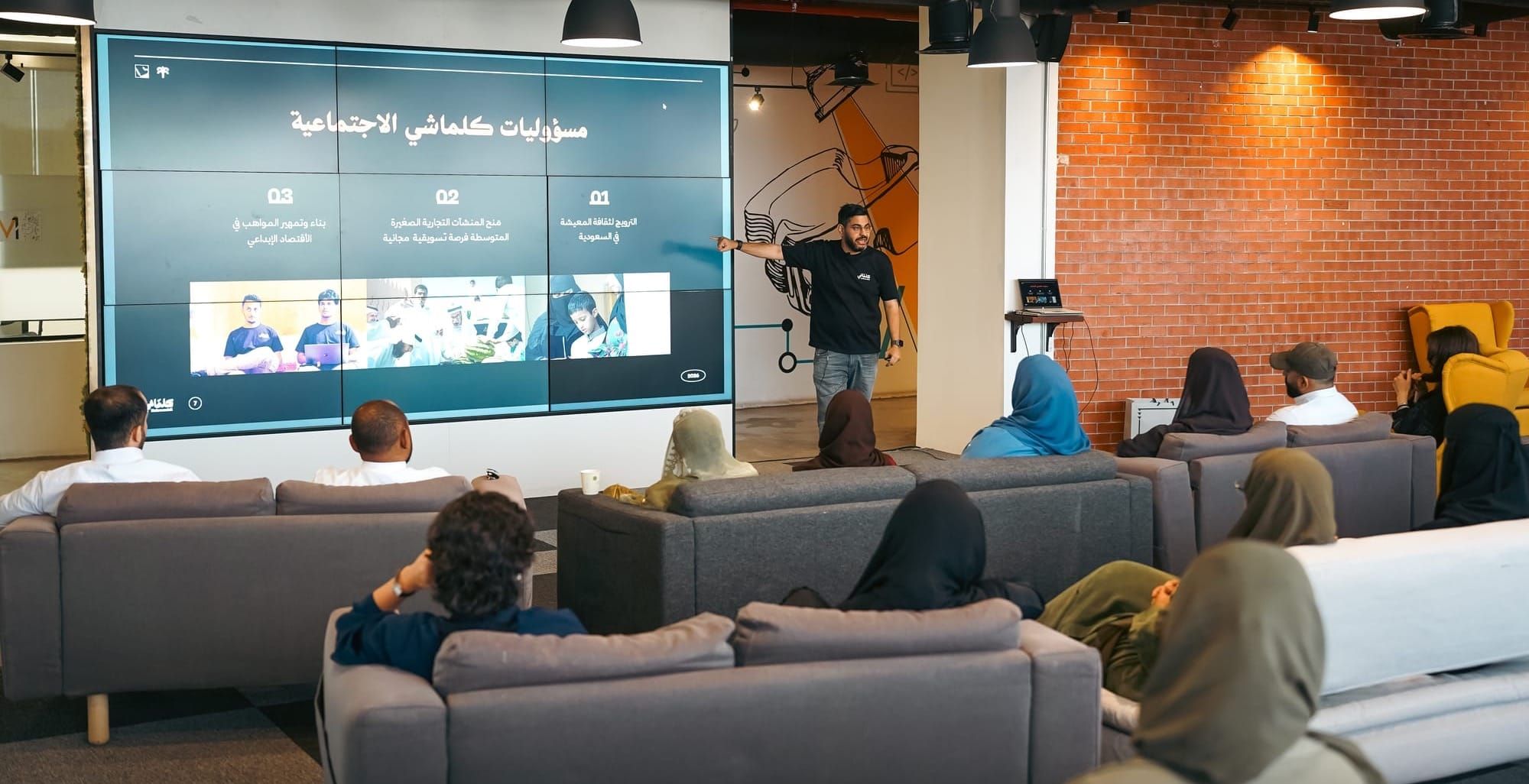
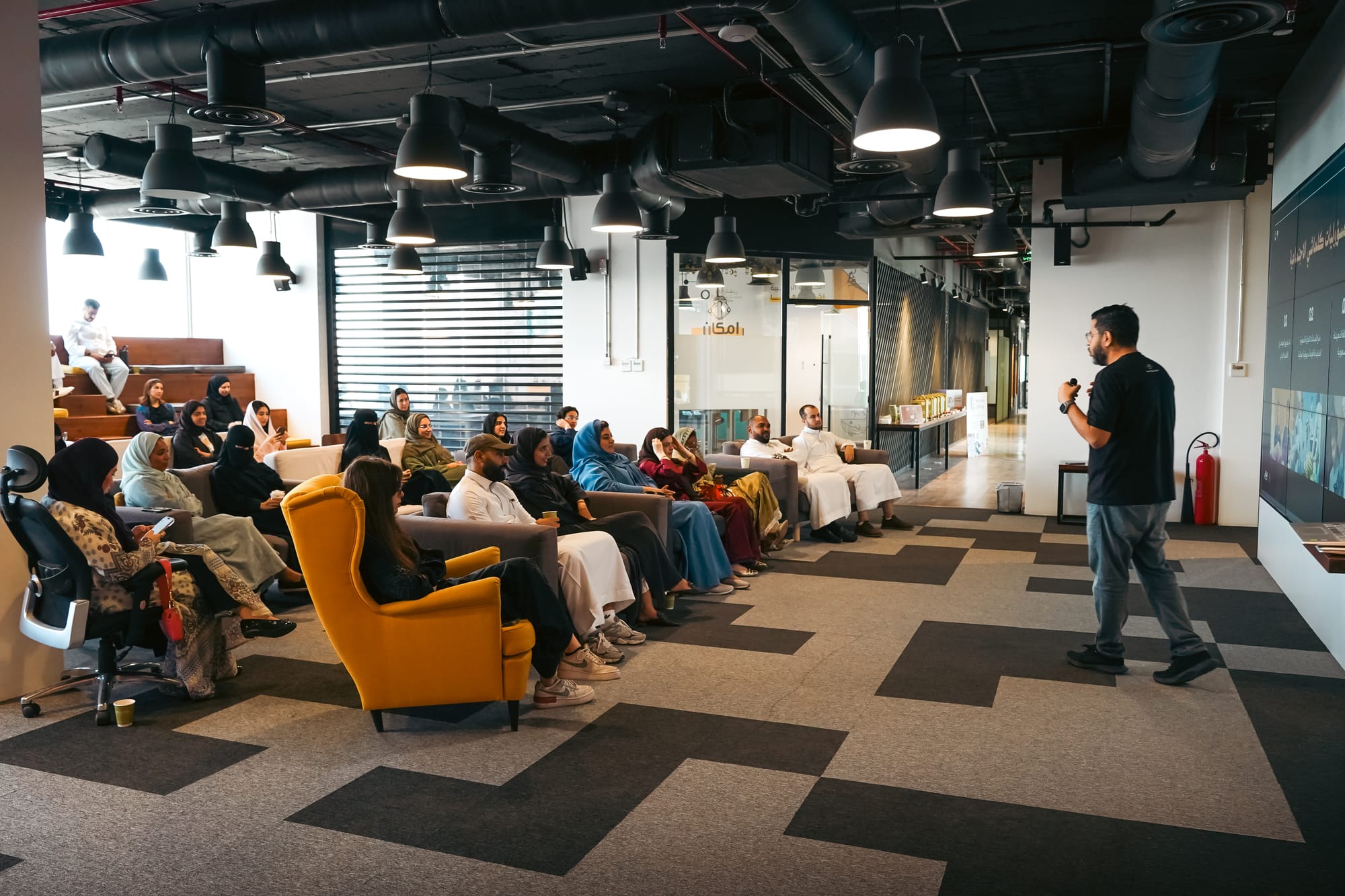
Saleh Al-Awdan took the stage at CreativeMornings Riyadh during the theme Curate, where he shared an inspiring story of how Kalamshii began and what it took to build something that lasts.
What is Kalamshii?

Kalamshii is a Saudi media and lifestyle platform based in Riyadh that celebrates everyday life in the Kingdom through engaging digital storytelling. Launched in 2022, it first became known for its recommendations of restaurants, cafés, and cultural experiences before expanding into documentaries, podcasts, social media content, and interactive events. Kalamshii showcases Saudi culture from a fresh, modern perspective, covering topics such as food, arts, music, fashion, architecture, heritage, and youth culture. Through its creative productions and community-driven approach, the platform aims to reflect the diversity of Saudi lifestyles while making local stories accessible, entertaining, and culturally meaningful.
Most companies want to be known for having the best product in the room. Kalamshii did something different. Their very first project was a small restaurant review series in Riyadh, and instead of asking people to name the best shawarma in the city, they asked something smaller. They asked for the second best. It sounds like a joke. In a way, it was. But it worked for a reason. If you claim something is the best, you upset everyone whose favorite place didn’t get picked. If you stay one step below that, people relax. They stop defending their taste and start sharing it honestly. That one small choice, made by a handful of people with almost no budget in 2022, ended up shaping everything Kalamshii became four years later. Today it is a team of about thirty people, producing many different shows about everyday life in Saudi Arabia.
A Name From a Chemistry Professor
The name itself wasn’t planned by any marketing team. It came from Dr. Ahmed Al-Awais, a professor of physical chemistry at King Saud University. He came up with it as a playful twist on the English word “walkie-talkie.” Nobody spent months testing it. A professor made a joke, and a media company built its identity around it. The name stuck because it carried more meaning than anyone expected. It suggested eating on the move. Talking on the move. Life that never really stops moving. This fit perfectly with what the company was already trying to do, which was to capture everyday life exactly as it happens, in the middle of a conversation, in the middle of a meal, in the middle of an ordinary day.
Changing One Word
At some point, the founders made another quiet change. They stopped calling Kalamshii a “platform” and started calling it a “medium.” On the surface, this looks like a small detail. It isn’t. A platform is just a place where things sit. A medium is something content passes through, and it comes out shaped by a point of view. This one-word change says a lot about what kind of company they wanted to build. Not a shelf holding random videos, but a lens for understanding Saudi life in all its different forms. This idea of holding many different things together under one clear vision shows up in almost every show Kalamshii makes. In “Mutbakh Freis,” a young man cooks a dish inspired by something he saw online that day. In “Sijil Tijari,” the tone is quieter, looking closely at real business stories from across the Saudi market. “Umm Abdulaziz” follows an older woman cooking for her local community. “Nas Yjarbon,” which means “People Try Things,” puts ordinary people at the center instead of professional hosts. And Friday Coffee, a small weekly feature highlighting a different neighborhood café after Friday prayers, is really just the shawarma project grown up. One earlier show, before the team pulled it back and rethought their approach, reportedly reached 450 million views. That number matters less than what it proves. Quiet, honest storytelling doesn’t shrink an audience. Slowly, it builds one.
Turning Down Money
There is a moment in the talk that stood out more than the rest. Al-Awdan explained that Kalamshii sometimes turns away partners. If a company only wants a fast sales campaign, the team says plainly that they aren’t the right fit for that kind of work. Sponsor logos aren’t blown up at the start of a video and quietly dropped by the end. Ad breaks stay short. This is a harder way to run a business. Most companies would take the money and adjust later. But this same restraint was there from the very beginning, back when the team decided not to crown a single best shawarma. The company didn’t grow into this discipline over time. It started with it.
What People Actually Want
If you take away the shows, the sponsorships, and the growth numbers, what is left is something very simple. Someone in Al-Khobar sees their own street in a video. Someone in Hail recognizes their own week. That small moment of recognition is the real product, and it was there from the very beginning, hidden inside a joke about shawarma. Kalamshii didn’t find a trick for going viral. It found something people wanted more than that. Not to be told what is best, but to be shown what is true.