Purpose-Driven Leadership with Muna AbuSulayman

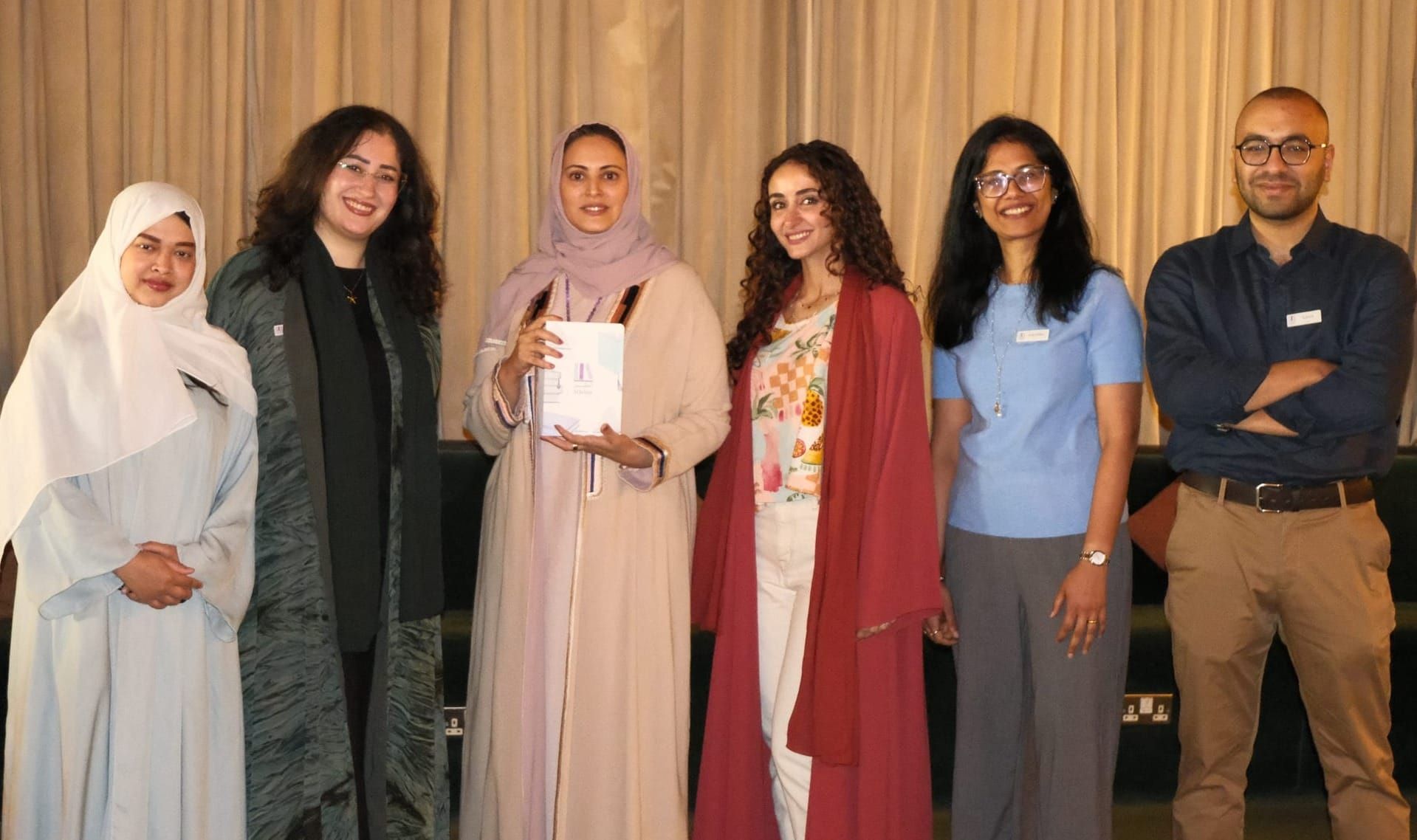
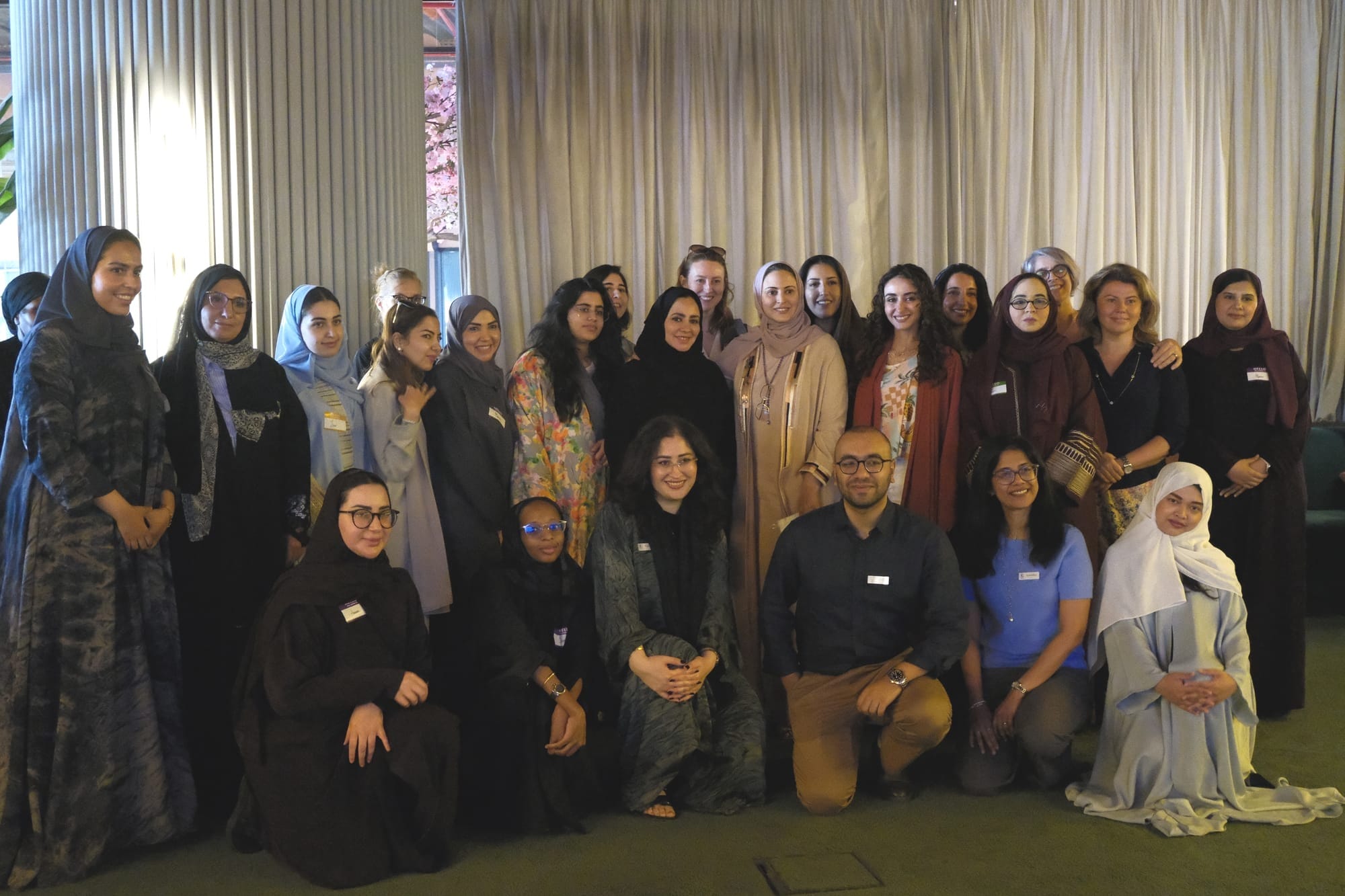
What makes a good leader? It is a question that sounds simple until you are actually asked to answer it, and when Al Jalees posed it to a room full of women at its latest Mind Jam session, the responses revealed just how layered the answer really is. Clarity, empathy, humanity, failure, vision, confidence, compassion, and perseverance all surfaced within minutes, each one reflecting a different understanding of what leadership means and what it demands. The woman at the center of the conversation, Muna AbuSulayman, listened to every answer before offering her own perspective: that all of those qualities matter, but that the real measure of a leader is what they do when everything falls apart. It was the kind of opening that told the room exactly what kind of morning it was going to be.
Muna’s career is difficult to sum up in a single title. She co-hosted Kalam Nawaem, the Arab world’s longest-running social discussion show, served as the founding Secretary General of Alwaleed Philanthropies, became the first Saudi woman appointed as a UN Goodwill Ambassador, and is now a venture capital partner and co-founder of the Arabic Digital Research Institute. What she brought to the room, however, was not a list of achievements but an honest and personal account of what leadership actually looks like from the inside.
Her own journey into leadership, she admitted, was not something she had planned. She described herself as someone who never sought to be in charge, who preferred to step back and let others lead whenever possible, and who only stepped up when she looked around and saw that no one else was going to. That turning point came at twenty-eight, when she was invited to audition for Kalam Nawaem, a pan-Arab television show that tackled difficult social topics at a time when no other platform in the region was doing so. She took the opportunity not because she was ambitious but because she felt that a certain kind of woman, one who was educated, soft-spoken, and wore a hijab, was simply absent from Arab television, and she wanted to change that. The show turned out to be far more significant than she had expected, and the visibility it gave her opened doors she had not known existed, including an invitation to the World Economic Forum at Davos as a Young Global Leader, which she describes as one of the most important turning points of her life.
From television, she moved into philanthropy and eventually led Alwaleed Philanthropies across more than seventy countries, managing a portfolio of over one billion dollars. What that work taught her above everything else, she told the room, was the importance of staying focused. With limited resources and an enormous amount of need, from famine relief to scholarships to intercultural dialogue programs, the ability to stick to clear priorities rather than chasing every urgent cause was what made the difference between effective leadership and simply being busy. She borrowed a phrase from Elon Musk to describe it: all signal, no noise.
That idea of staying aligned with your own values ran through much of what she shared. She spoke about what she called the three selves, the public self that the world sees, the private self that family and close friends see, and the secret self that only you know, and she argued that the more these three are in agreement with each other, the easier it becomes to make decisions and lead with confidence. When they are misaligned, she explained, a person spends enormous energy trying to maintain different versions of themselves, and that energy is ultimately wasted. Purpose-driven leadership, in her view, begins with the inner work of understanding who you really are and what you genuinely care about.
The Q&A portion of the session brought some of the most memorable moments of the morning. She spoke honestly about a situation where she delayed letting go of a team member she was personally close to, and how that delay cost the organization eighteen months of unnecessary difficulty. Her advice for breaking through that kind of paralysis was practical: put the decision on the calendar, set aside time to think it through properly, write what needs to be written, and commit to following through, because the majority of decisions in life can be reversed if they turn out to be wrong, and knowing that makes it easier to act.
On the topic of work-life balance, she reframed the question entirely, suggesting that instead of asking how to balance everything, women should start by asking what their family actually needs at the current stage of life and make decisions from there. She also addressed the tendency among women to hold back from opportunities until they feel fully prepared, pointing out that men rarely wait for the same level of certainty before putting themselves forward, and that this difference costs women opportunities they are more than capable of handling.
She ended the session with five book recommendations that had influenced her thinking at different points in her life, ranging from Gabriel García Márquez’s One Hundred Years of Solitude to The Trillion Dollar Coach, each chosen because it taught her something true about people, potential, and the way decisions shape a life over time.
The morning closed with attendees still deep in conversation, and it was clear that Muna had given the room more than leadership advice. She had offered a way of thinking about purpose, values, and self-awareness that people were still working through as they left, which is exactly what the best Mind Jam sessions tend to do.