
Book Review: The Correspondent by Virginia Evans

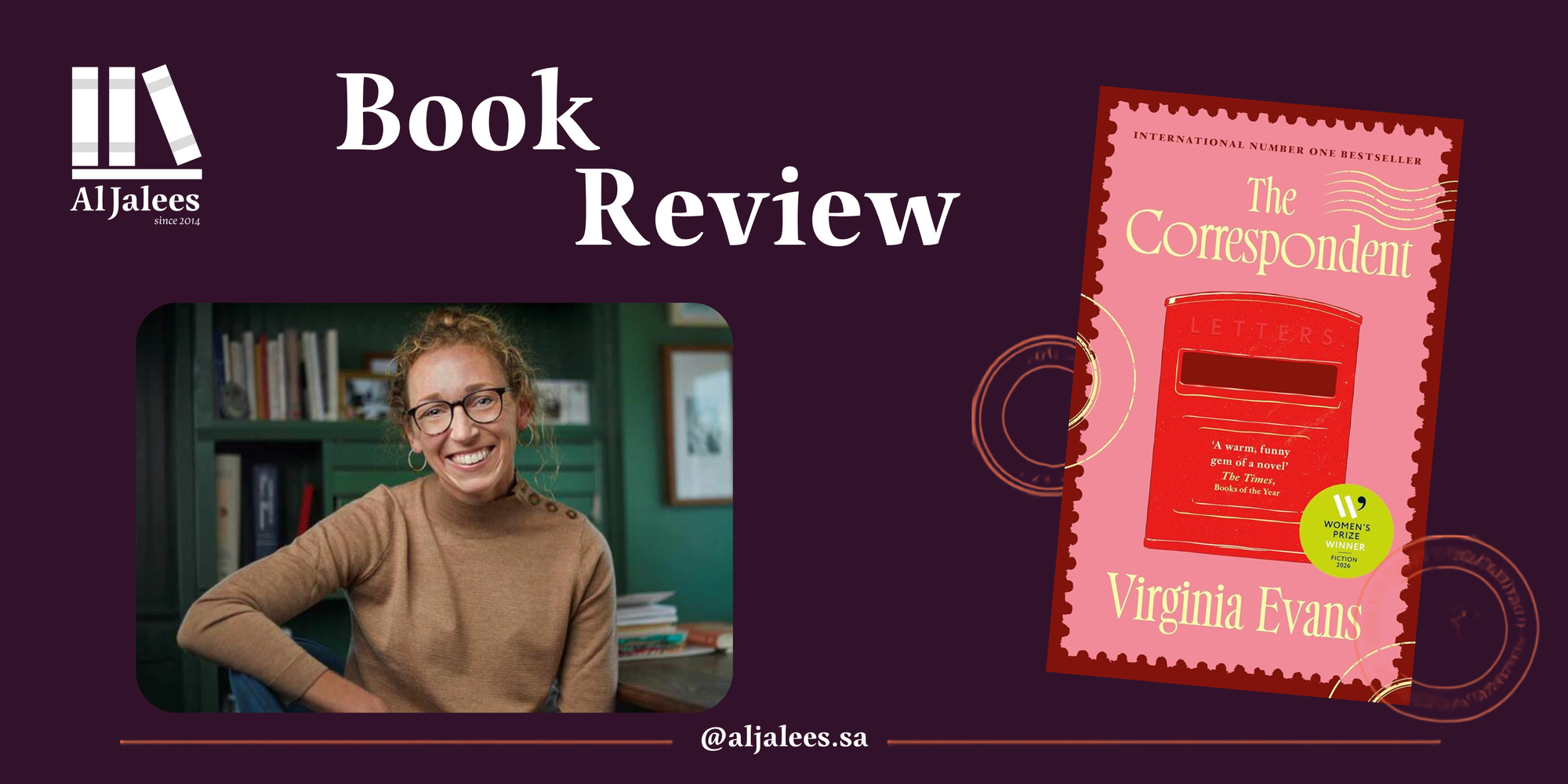
There are books that pull you through a plot, and there are books that simply ask you to sit with someone and listen to everything they have carried quietly for years. The Correspondent by Virginia Evans is the second kind, and I found myself completely undone by it in the gentlest way. The novel follows Sybil Van Antwerp, an elderly woman who has spent much of her life writing letters. When one particular letter arrives, it opens a door she had kept closed for decades, and through the correspondence that follows, I watched her slowly return to memories she had buried, relationships she had lost, and choices she still carried the weight of. I have to admit, the epistolary format took me a moment to settle into. So much of the story unfolds through letters rather than scenes, and at first it felt unfamiliar. But I came to see it as the book’s greatest strength, because letters let people say things they might never say out loud. They allow for pause, for honesty, for the kind of confession that conversation rarely makes room for. Sybil became someone I could not stop thinking about. She has made mistakes. She has hurt people. She carries losses she never fully resolved. And somehow, that is exactly what made her feel so real to me. I found myself reflecting on how easily we reduce a person to their worst decision or their proudest moment, when the truth is always more layered than that. Understanding ourselves, I think, requires the same honesty Sybil finally gives herself. What moved me most was the novel’s quiet insistence that it is never too late to face what we have left unfinished. Sybil’s letters become more than communication; they become a kind of reckoning, and maybe even healing. I kept returning to the question the book seemed to be asking me directly: what happens when we finally stop running from the things we have spent years avoiding? There is also a tenderness in how the novel handles loneliness and connection, and it is the part that stayed with me longest. The characters live far apart from one another, sometimes separated by years as much as distance, yet their letters closed that gap in a way that felt almost intimate to me, the way a familiar voice can make an empty room feel less empty. I have always felt this way about letters myself, that they carry something no gift wrapped in paper ever could. A gift can be bought in an afternoon, but a letter asks for patience, for thought, for someone to sit with you in their mind long enough to choose their words with care, and that is not something money can replace. Reading these letters, I found myself slowing down too, moved by the same patience they demanded, and a little envious of a time when someone would wait days just to hear from another person and mean every word once it finally arrived. I will say, if you need constant plot movement to stay engaged, this book may test your patience. It is deliberately quiet, and its power comes from emotional depth rather than dramatic incident. There were stretches where I had to slow myself down and let the rhythm carry me instead of pushing ahead. But once I did, the emotional payoff felt earned. What has stayed with me since finishing it is the book’s understanding of the past. We cannot undo what has already happened, but we can choose how we carry it forward. I do not think forgiveness means forgetting. I think it means finally finding the courage to tell the truth, first to ourselves, and then to whoever else needs to hear it. The Correspondent left me thinking, long after I closed it, about the lives we quietly build without ever announcing them, the people we lose along the way and never quite finish grieving, and the stories we keep folded inside ourselves, not realizing how much space they have been taking up all this time. Rating: 4/5 If there is one thing I took from this book, it is that it is never too late to speak, to listen, to remember, and maybe even to make peace with the person I used to be.