
Beyond Strength: Men's Health in Movember
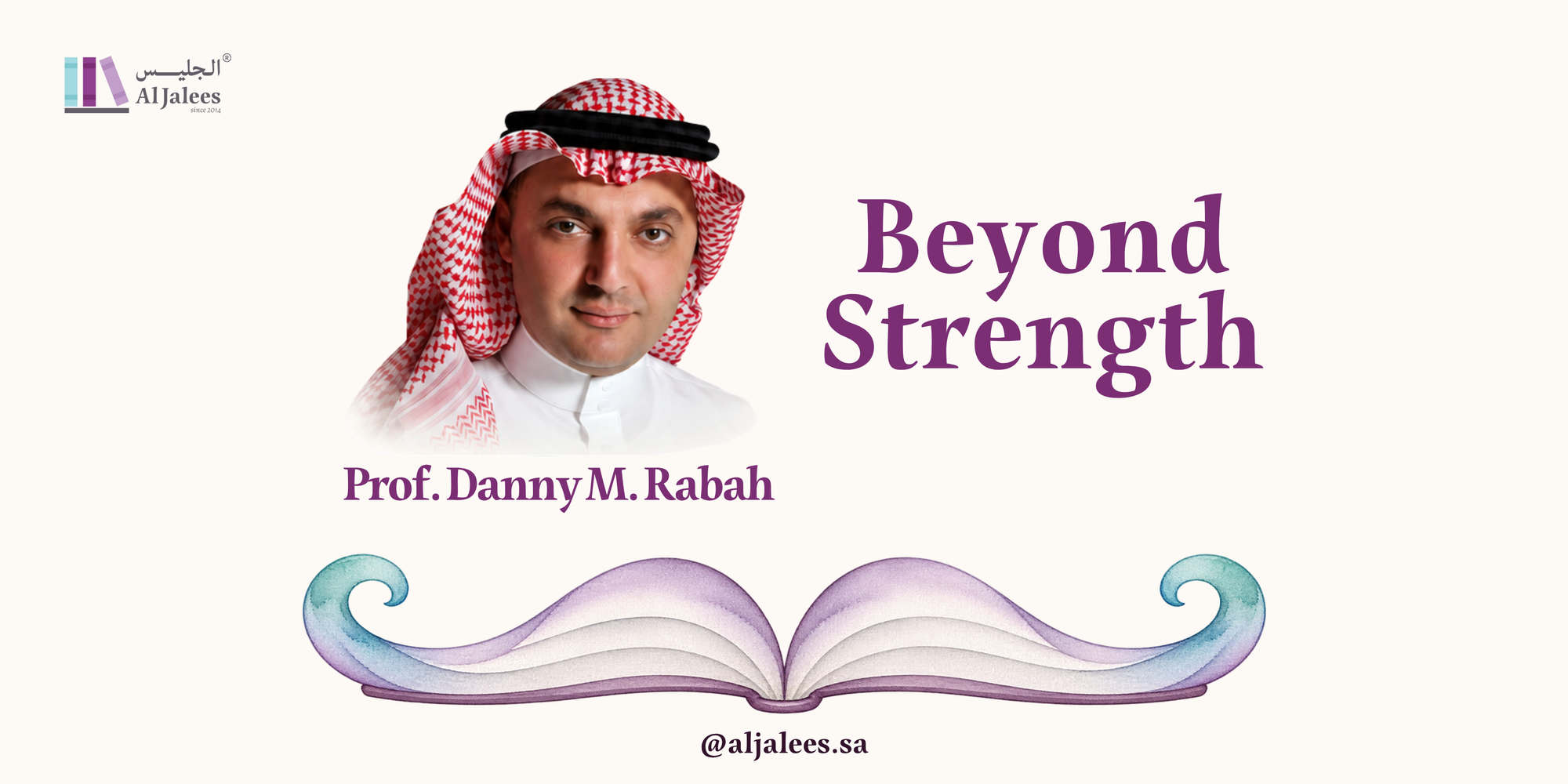
Why do so many men wait until something goes wrong before seeking medical advice? In a special edition of Al Jalees Mind Jam, Professor Danny M. Rabah joins founder Rana Hajjar to explore prostate cancer awareness, the psychology of prevention, and why taking care of ourselves may be one of the greatest expressions of strength.
Follow our Youtube Channel: JaleesCast
We grow up surrounded by stories of strength. The heroes who never surrender. The fathers who carry the weight of their families. The men who provide, protect, persevere, and somehow always appear to have everything under control. Yet there is something curious about the way we celebrate strength. We admire those who carry the heaviest burdens, but rarely ask whether they need help carrying them.
What happens when that expectation extends to our health? When endurance becomes silence, and silence becomes avoidance?
Professor Danny M. Rabah, Professor of Urology and Consultant Uro-Oncologist at King Saud University, whose clinical experience has given him a close view of both the medical realities of prostate cancer and the deeply human experiences behind a diagnosis.
The Danger of Feeling Fine
According to Professor Rabah, one of the most concerning attitudes he encounters among men is the tendency to seek medical attention only when symptoms become impossible to ignore. When an unexpected screening result suggests further investigation, some patients resist precisely because they feel well.
That response, he explained, can have serious consequences. Some return after encouragement from a spouse or family member. Others disappear from follow-up, only to return years later with more advanced disease.
Prostate cancer is particularly important in this discussion because it can develop without obvious early symptoms.
Professor Rabah emphasized that detecting the disease at an early, treatable stage can dramatically improve outcomes. He described cure rates exceeding 95% for appropriately treated early-stage prostate cancer, while warning that delayed diagnosis can mean losing opportunities for curative treatment.
For him, the purpose of awareness is not to make men fearful of cancer. It is to encourage them to understand their risks before symptoms dictate their choices.
As men live longer, the challenge is no longer simply extending life expectancy. It is protecting the quality of those additional years.
Not Every Prostate Problem Is Cancer
Part of overcoming fear begins with understanding the body. The prostate is a small gland located beneath the bladder and surrounding the urethra. As men age, it commonly enlarges, sometimes causing urinary symptoms such as frequent bathroom visits, interrupted sleep, a weaker urinary stream, or dribbling. This condition, known as benign prostatic hyperplasia (BPH), is not prostate cancer.
Professor Rabah compared age-related enlargement to other natural changes, such as developing wrinkles or grey hair. Although BPH can become uncomfortable and sometimes requires treatment, its presence does not automatically indicate malignancy.
He also challenged another misconception: that sexual dysfunction must be caused by prostate enlargement. Cardiovascular disease, diabetes, smoking, high blood pressure, and obesity can all contribute to sexual health problems.
Understanding these distinctions matters. Misconceptions can produce unnecessary fear. The goal here is informed conversations with healthcare professionals.
Screening: Knowledge Without Panic
One of the most revealing moments of the conversation concerned the anxiety of medical testing. I reflected on my own experience of repeated screening and waiting for results, describing how the anticipation of bad news can make even preventive care emotionally exhausting.
How do we encourage people to become proactive without turning health awareness into a constant source of anxiety?
Professor Rabah explained that an elevated prostate-specific antigen (PSA) result does not automatically mean cancer. PSA is a blood test that can help doctors assess prostate health, but its interpretation requires context. Depending on the result, medical history, and individual risk, a physician may recommend repeat testing, additional blood measurements, imaging, or further investigation.
He also cautioned against excessive testing driven by anxiety rather than medical need. More screening is not necessarily better screening.
Our discussion highlighted the importance of age, family history, and inherited risk factors. Professor Rabah discussed beginning conversations about screening around age 50 for many men, and earlier for those with relevant family histories, including certain inherited cancer predispositions.
These are decisions to make with a physician, not universal instructions that apply identically to everyone.
Preventive care should become a considered habit, not an emergency response.
A Diagnosis Is Not Always a Demand for Immediate Treatment
Perhaps one of the most surprising insights from the discussion was that not every prostate cancer diagnosis requires immediate surgery or radiation.
Professor Rabah explained that prostate cancer is not a single disease with one predictable course. Some low-grade tumors develop so slowly that the risks of immediate treatment may outweigh the benefits.
For selected patients, doctors may recommend active surveillance—careful monitoring through appropriate testing and imaging, with treatment considered if the disease shows signs of progression.
This, however, is not the same as ignoring cancer. It is a deliberate medical strategy designed to avoid unnecessary intervention while remaining alert to changes.
A diagnosis does not always mean that a person's life must immediately be reorganized around aggressive treatment. Sometimes, patience is itself a form of care.
Life Beyond Survival
Cancer conversations often revolve around survival rates. But for the person receiving a diagnosis, the questions extend far beyond whether treatment will work. Will I return to work? Will I remain independent? What happens to my marriage, my confidence, my sexual health, or my ability to have children?
Professor Rabah described advances in robotic surgery, radiation therapy, and treatment approaches intended to reduce complications and preserve quality of life. He explained that some surgical patients experience temporary urinary incontinence and that nerve-sparing techniques may help preserve sexual function in appropriately selected cases. He also discussed options for addressing sexual side effects and fertility concerns.
The progress the doctor described offers a more complete picture of modern cancer care. The objective is not simply to remove disease. It is also to help people continue living meaningful, fulfilling lives.
The Stories Medicine Cannot Measure
Prof. Rabah mentioned that a patient might want to postpone surgery to attend his daughter's wedding. Another might hope to recover quickly enough to return to work and support his family.
He also shared the story of a longtime friend living with an aggressive form of prostate cancer. Despite repeated treatments and recurrences, his friend remained professionally active and focused on a deeply personal goal: living long enough to see his grandchildren.
Hope, in this context, is not a promise that everything will turn out perfectly. It is the recognition that a diagnosis does not erase the possibility of a future.
What Does Strength Look Like in Practice?
Toward the end of the conversation, I asked Professor Rabah to offer three practical recommendations for men who have neglected their health.
First, he says, visit a family doctor. Have an honest conversation about your health, understand your personal risks, and discuss which examinations or tests are appropriate.
Second, make movement part of your life. Join a fitness club, find an activity you enjoy, use a wearable device if it motivates you, or simply establish a consistent exercise routine.
Third, talk about your health. Share concerns with friends, family members, and healthcare professionals. These conversations can reveal that others are experiencing similar challenges and may encourage someone to seek help.
These steps only require attention, consistency, and a willingness to begin.
A Wellness Book for Every Stage of Life
One of the most promising ideas to emerge from the discussion was Professor Rabah's suggestion of a personal wellness book. Children have vaccination records that guide families through important medical milestones. Why shouldn't adults have something similar?
Imagine a simple record that helps people track preventive appointments, screenings, relevant health measurements, and recommended follow-ups throughout adulthood. Rather than waiting for a symptom or a frightening diagnosis, people would have a clearer understanding of the health decisions appropriate to each stage of life.
The Call That Could Make a Difference
Professor Rabah ended the conversation with a challenge.
Call your father. Call your husband. Call your uncle.
Ask when he last discussed his health with a doctor and whether he is up to date with the preventive care appropriate for his age and risk. Meaningful change sometimes begins not with a campaign, a diagnosis, or a hospital visit, but with a conversation between people who care about each other.
We began Beyond Strength by questioning the traditional image of the strong, invulnerable man. We ended with an understanding, that being strong doesn’t mean staying silent. Being brave doesn’t mean never feeling fear. And looking after our health doesn’t mean we are weak. Our lives are worth taking care of!