
From Awareness to Prevention
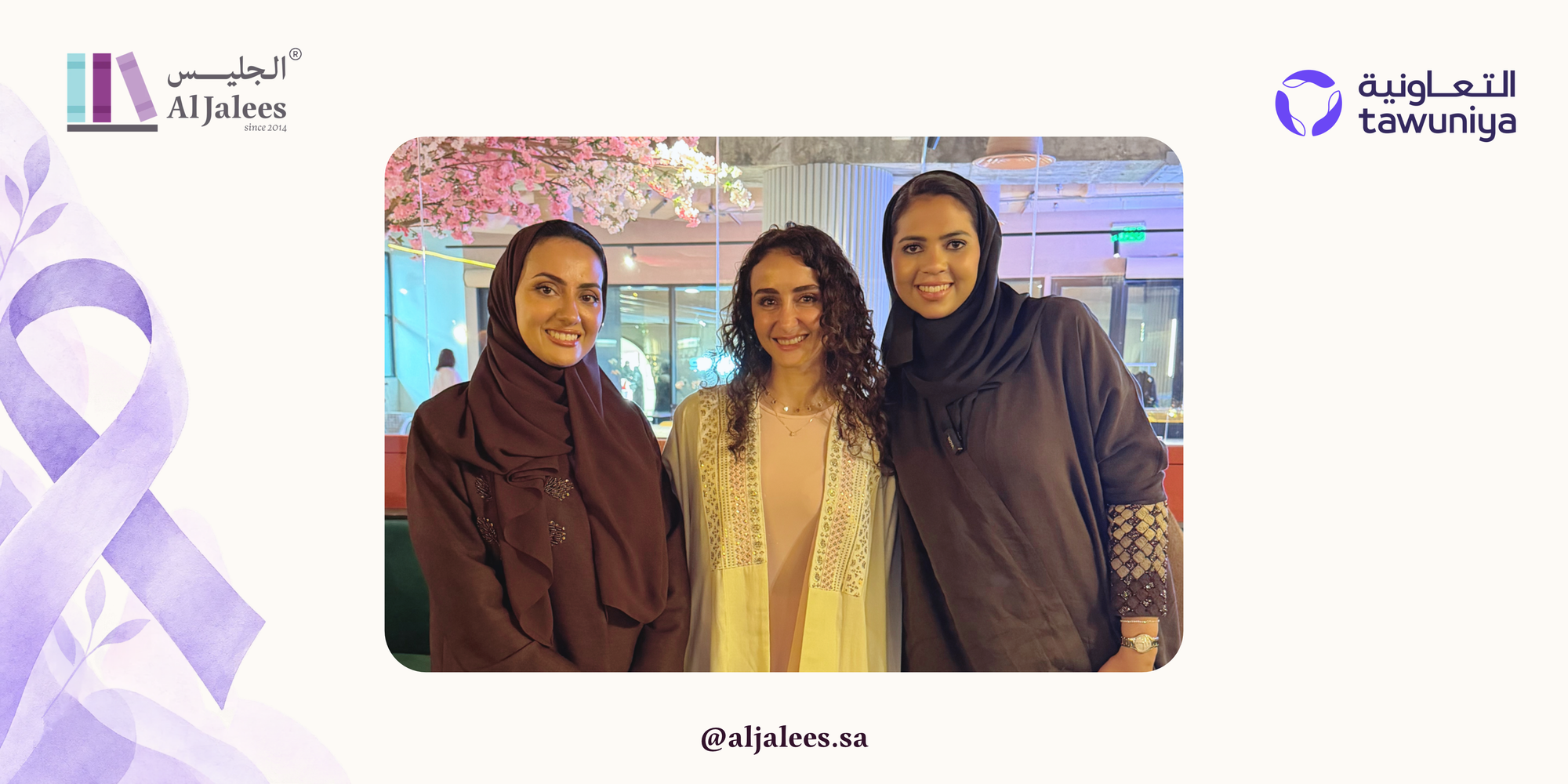
A Conversation on Cancer, Care and Living Well
At Al Jalees’ annual breast cancer awareness gathering, sponsored by Tawuniya, medical expertise and personal experience offered a thoughtful perspective on proactive care.
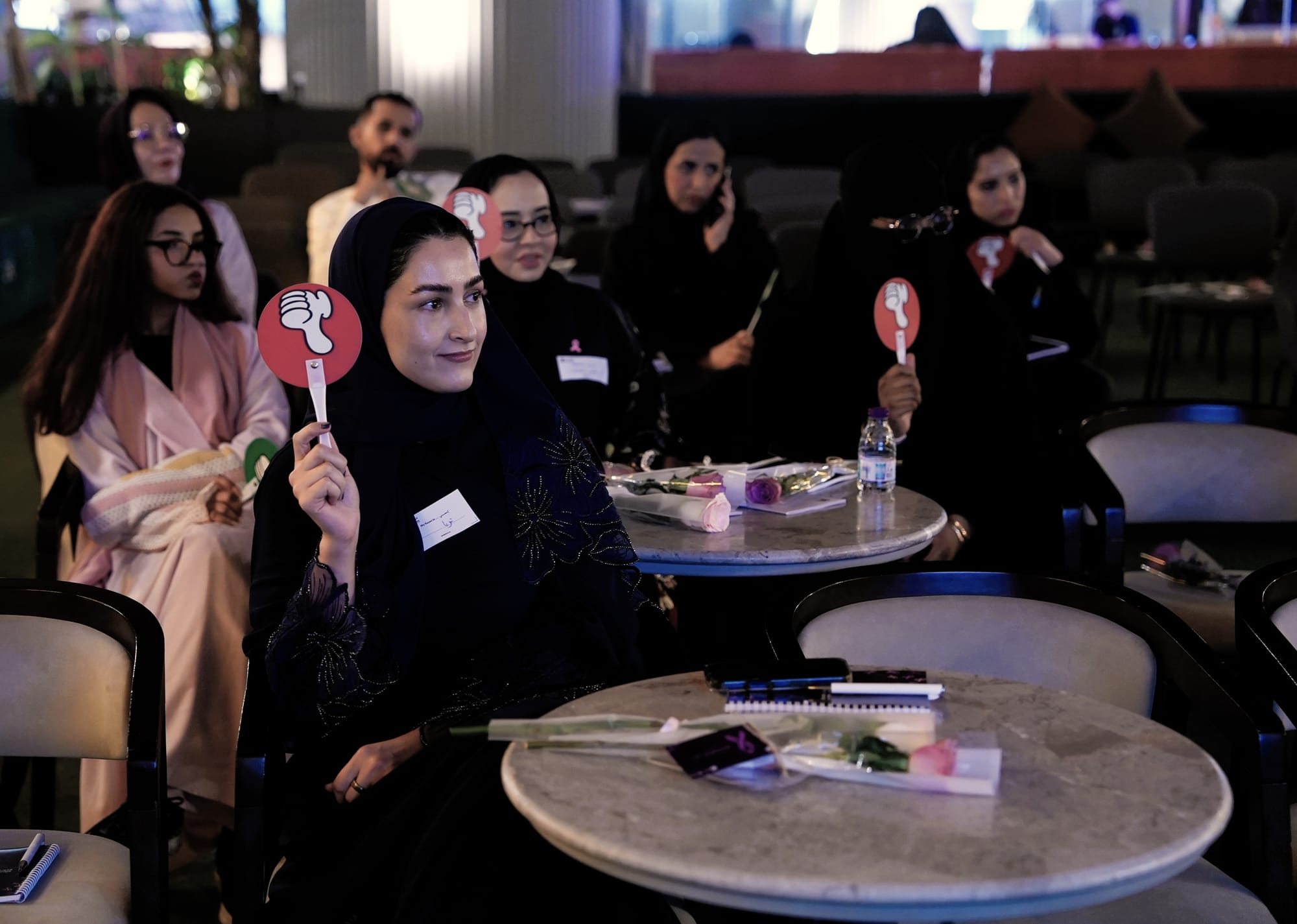
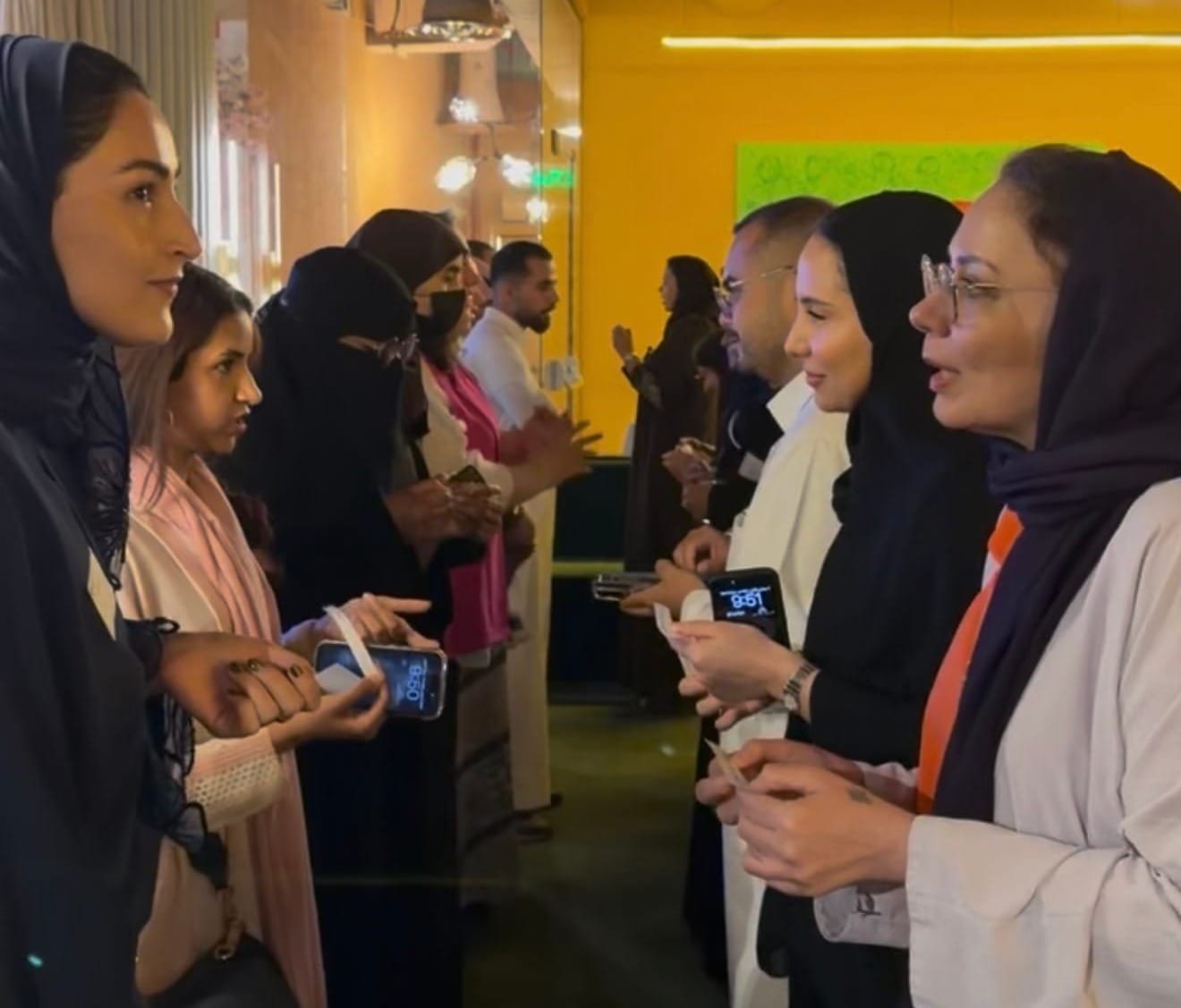
Green and red paddles rose across the room as guests considered familiar claims about cancer.
- Does treatment always cause hair loss?
- Can cutting out sugar prevent the disease?
The opening “Myth or Fact” activity invited everyone to participate and to question what they thought they knew.
@aljalees.sa
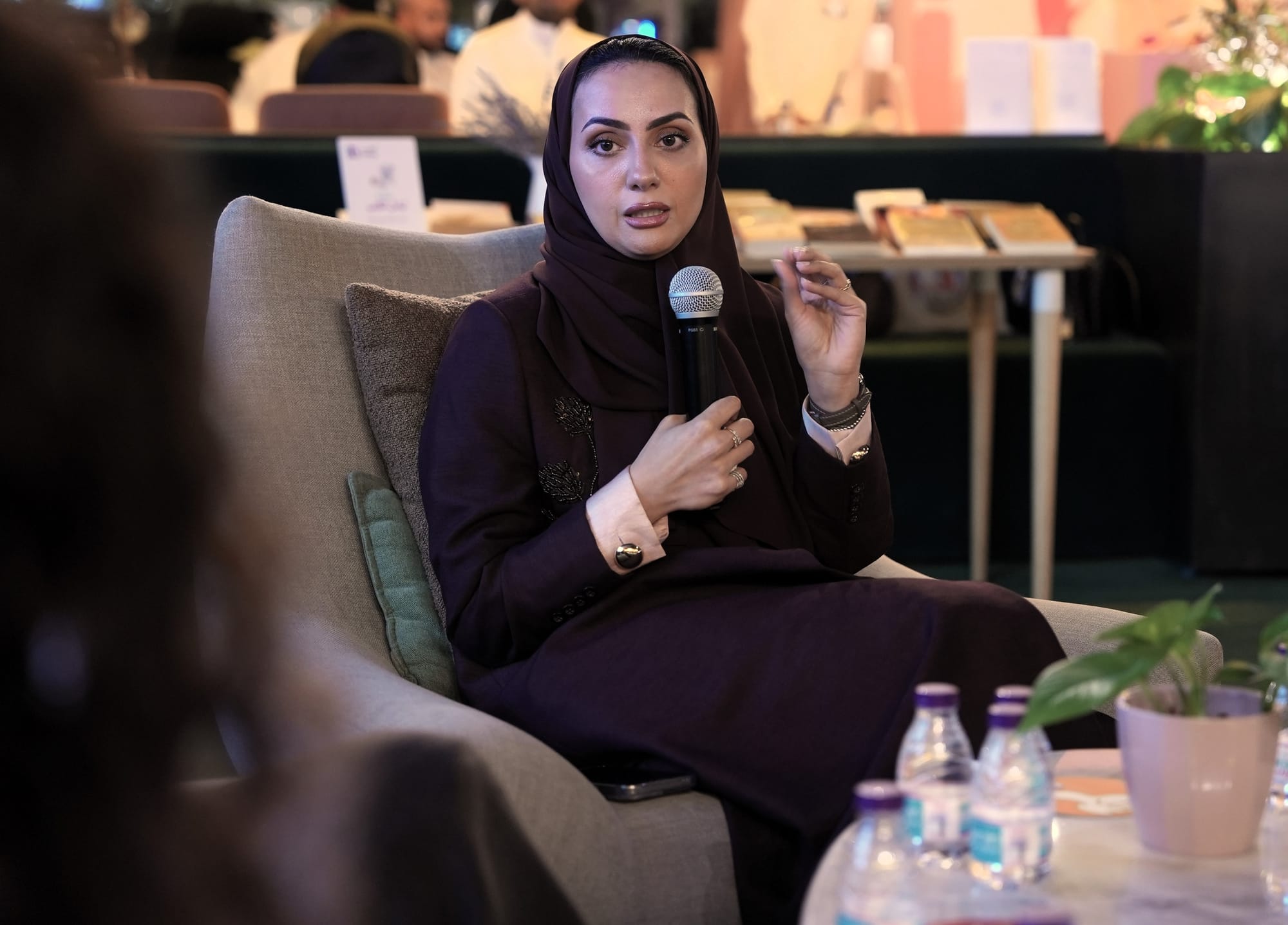
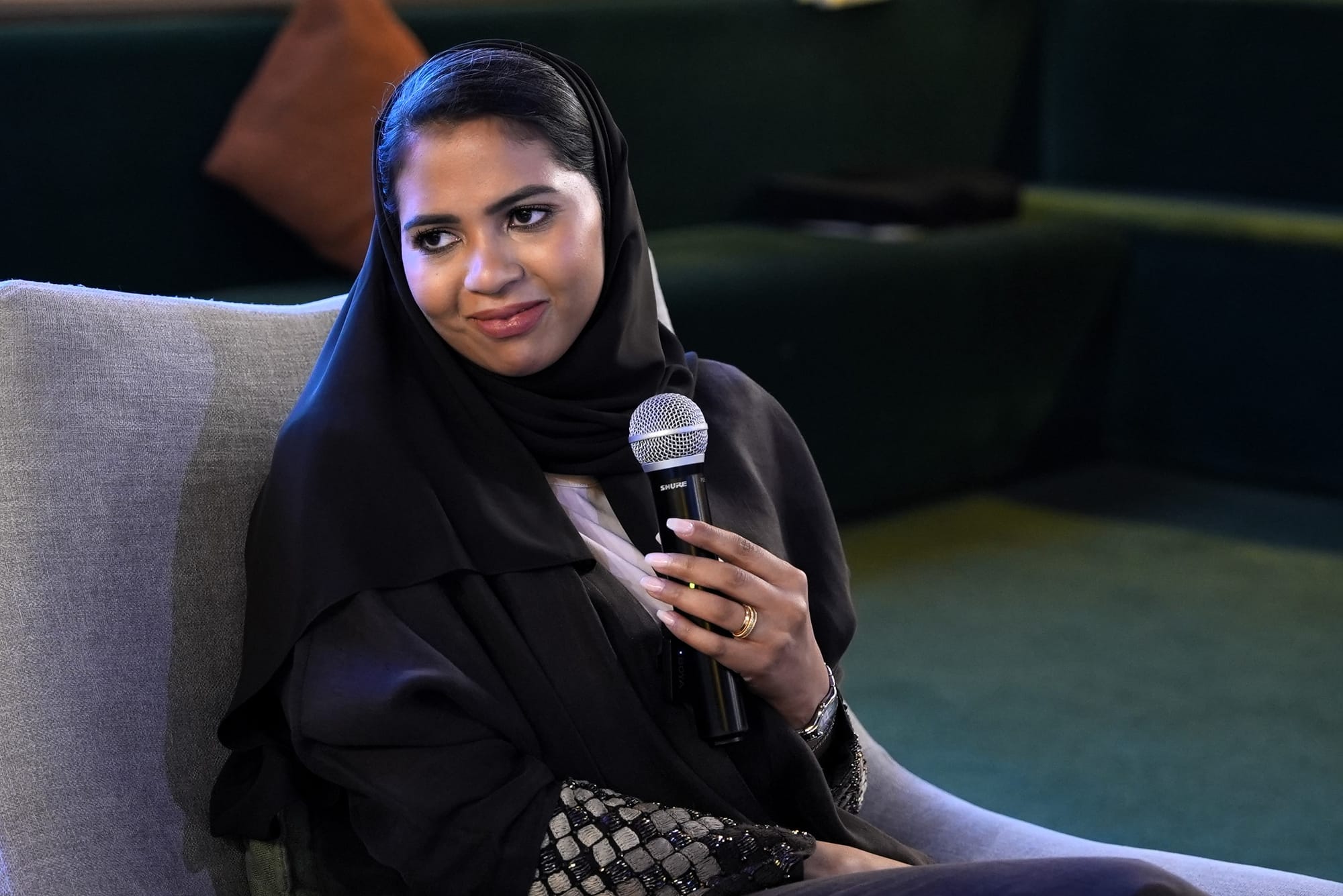
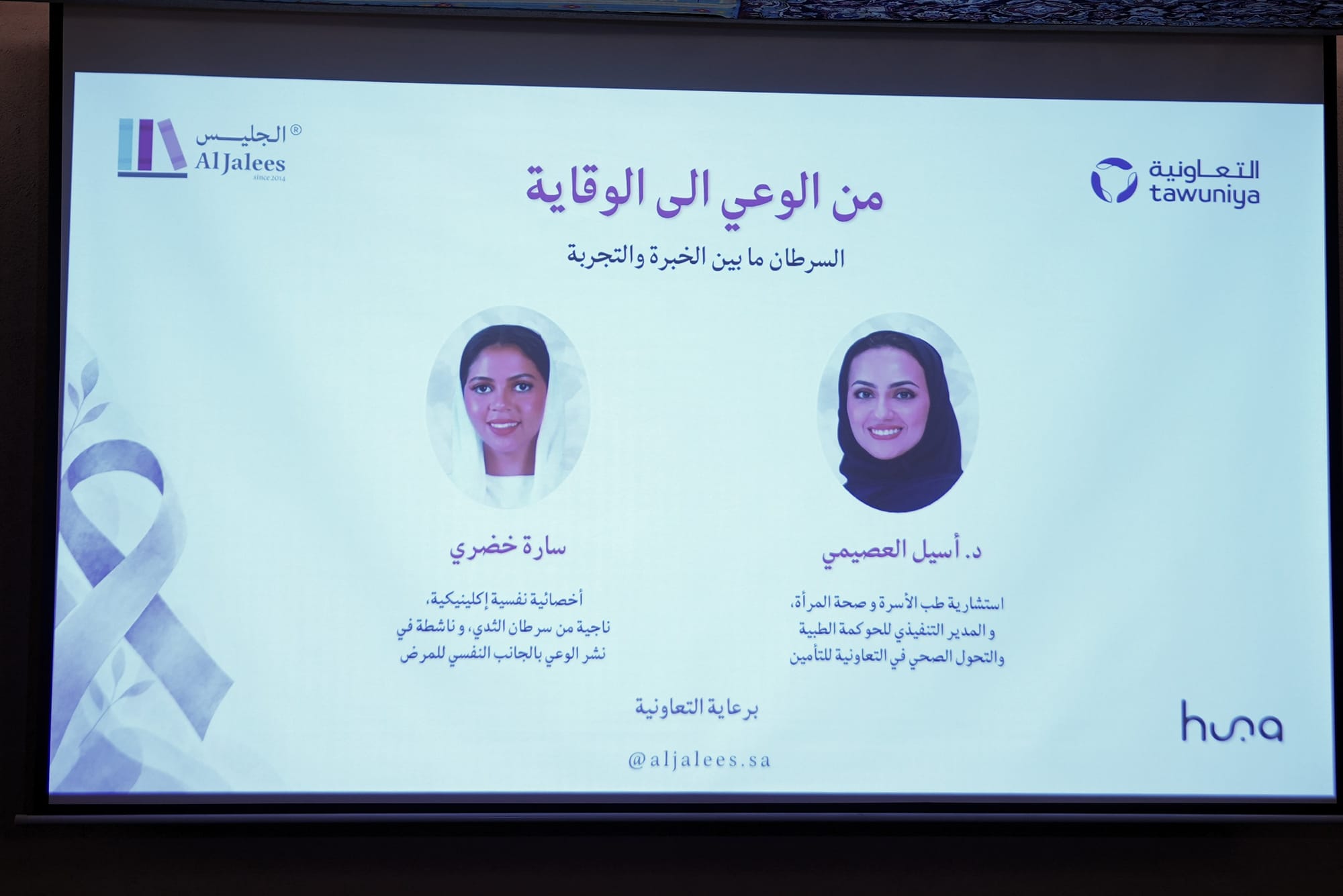
Held on 17 October at Huna Al Takhassusi in Riyadh, Al Jalees Culture Club’s annual breast cancer awareness gathering brought together Dr. Aseel AlAssimi, a family medicine and women’s health consultant and Executive Director of Medical Governance and Health Transformation at Tawuniya, and Sara Khodary, a clinical psychologist and breast cancer survivor.
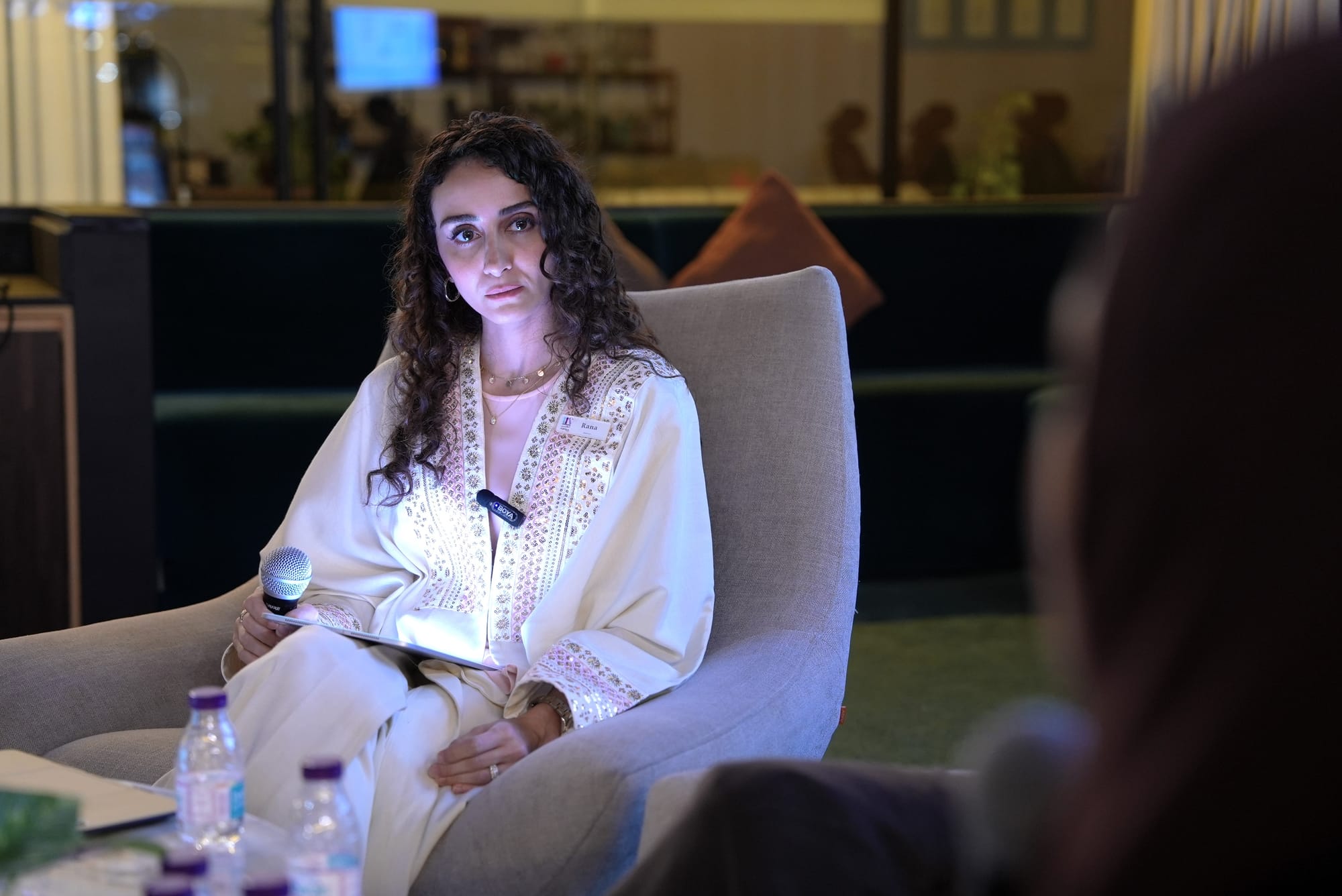
Moderated by me; Al Jalees founder Rana Hajjar, breast cancer previvor and patient advocate, “From Awareness to Prevention” explored the decisions, emotions and relationships that shape people’s experiences before, during and after diagnosis.
@aljalees.sa
When the Doctor Becomes the Daughter
Dr. AlAssimi described how accompanying her mother through cancer changed her understanding of care. Medical training had prepared her to recognize symptoms and understand treatment. Being a daughter revealed how uncertain the journey could feel from the other side.
“When I moved into the daughter’s chair, my perspective on care changed,” she reflected.
Even as a physician, she found herself asking what would happen next. Steps that seemed straightforward professionally became harder to navigate when they concerned someone she loved.
Her account highlighted a responsibility that extends beyond diagnosis: helping patients understand their situation and feel supported through each decision. Clear explanations and continuity matter, particularly when fear makes unfamiliar information harder to absorb.
“Treat others as you would wish to be treated,” she said, describing a principle that guides her practice.
The Person Behind the Diagnosis
For Khodary, cancer arrived at 26, when she was raising a one-year-old daughter, working as a psychologist and preparing a new home.
Discovering a lump disrupted that ordinary momentum. She recalled searching online for reassurance, hoping it would disappear and struggling with the prospect of telling her family. Her professional knowledge did not shield her from shock or make those conversations easy.
Treatment also brought questions about identity. How could she step away from responsibilities she had spent years building? Who was she when familiar roles became difficult to fulfill?
Eventually, she paused individual therapy sessions and began sharing her treatment experience online. It offered another way to support people while acknowledging her own limitations.
“Try, as much as you can, not to forget to live,” she told the audience.
Living could mean fifteen minutes playing with her daughter or listening to a podcast. These small goals helped preserve a connection to herself beyond illness, without demanding more than she could manage.
Making Room for Fear and Action
Fear emerged throughout the evening as an understandable response to uncertainty and a reason people sometimes delay seeking care.
I shared my experience as a previvor: someone who had taken preventive measures because of an inherited predisposition to cancer, without having received a cancer diagnosis. I recalled the anxiety surrounding my first MRI and how follow-up gradually became a more familiar part of caring for myself. My story opened a discussion about acting without waiting to feel fearless.
Dr. AlAssimi suggested making recommended health checks part of a planned routine, guided by individual circumstances and medical advice. Scheduling ahead could help turn an unresolved obligation into a manageable commitment.
Khodary encouraged attendees to notice their emotional needs alongside their physical health. Awareness, the discussion suggested, should help people make informed decisions without leaving them constantly anticipating the worst.
A Partnership in Health
The conversation also considered how organizations can help make proactive care more accessible.
Dr. AlAssimi described Tawuniya’s direction towards becoming a “partner in health,” extending its role beyond covering treatment to supporting wellbeing.
She discussed educational communications, workplace awareness activities, campaigns addressing health priorities throughout the year, and Vitality’s encouragement of physical activity through rewards. She also highlighted an October mammogram campaign.
Her broader point was about continuity. People’s ability to respond to reminders depends on work, family responsibilities and timing. Repeated opportunities throughout the year can reach those for whom October is simply not a convenient time.
The exchange gave practical context to Tawuniya’s sponsorship: supporting awareness means considering how people can act on it within their everyday lives.
What Meaningful Support Looks Like
When I asked what patients need to hear, Khodary reframed the question.
“The patient doesn’t need to hear you; the patient needs you to listen.”
Repeated assurances that someone is strong can leave little room for exhaustion or sadness. Excessive pity can be equally uncomfortable. A more useful starting point, she suggested, is asking: “What do you need today?”
Audience contributions deepened that discussion. One survivor described difficulty finding practical guidance during treatment and continuing fears about the chances of recurrence.
The evening connected expert knowledge with those everyday realities, creating space for uncertainty, questions and shared experience.
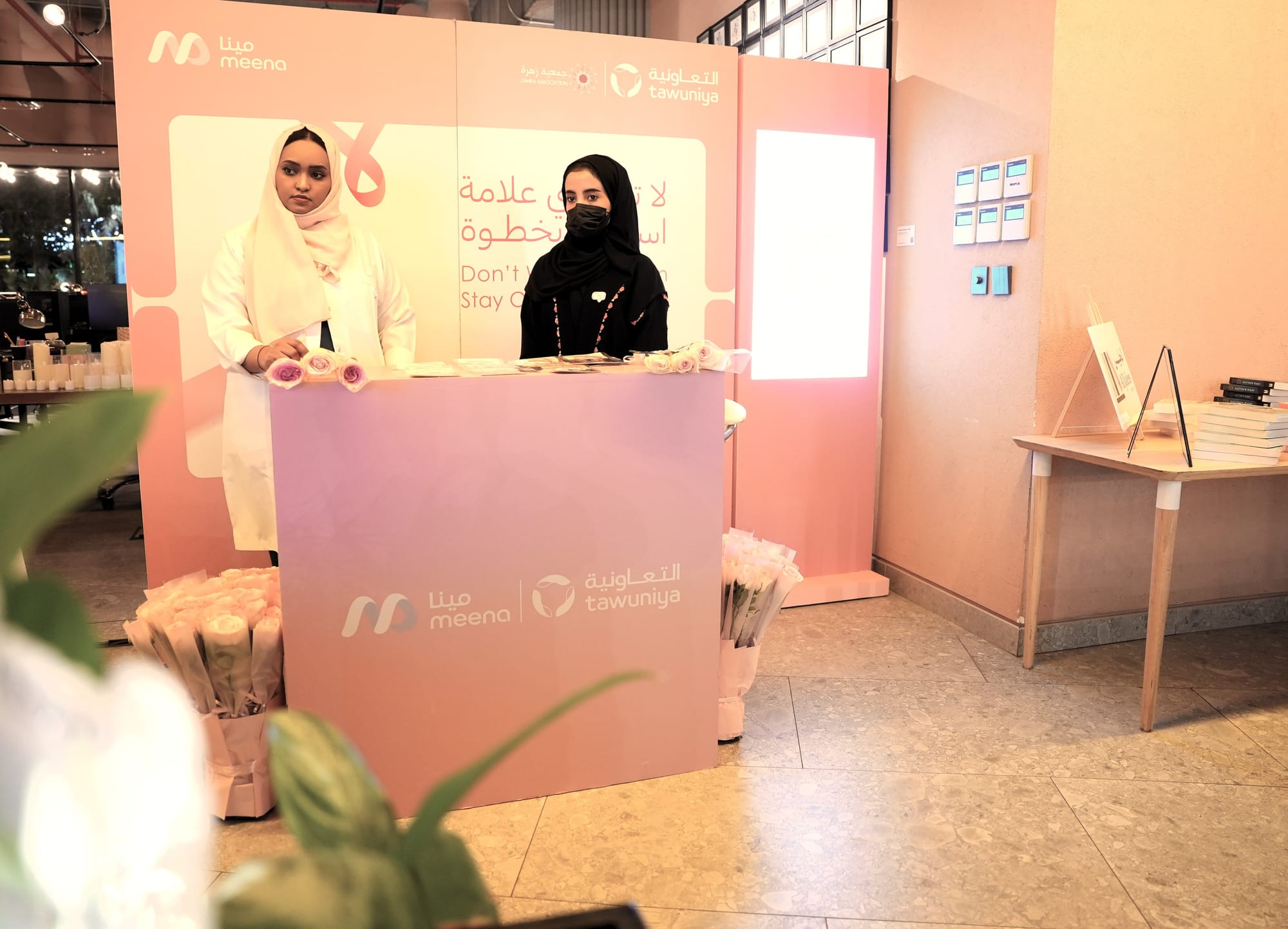
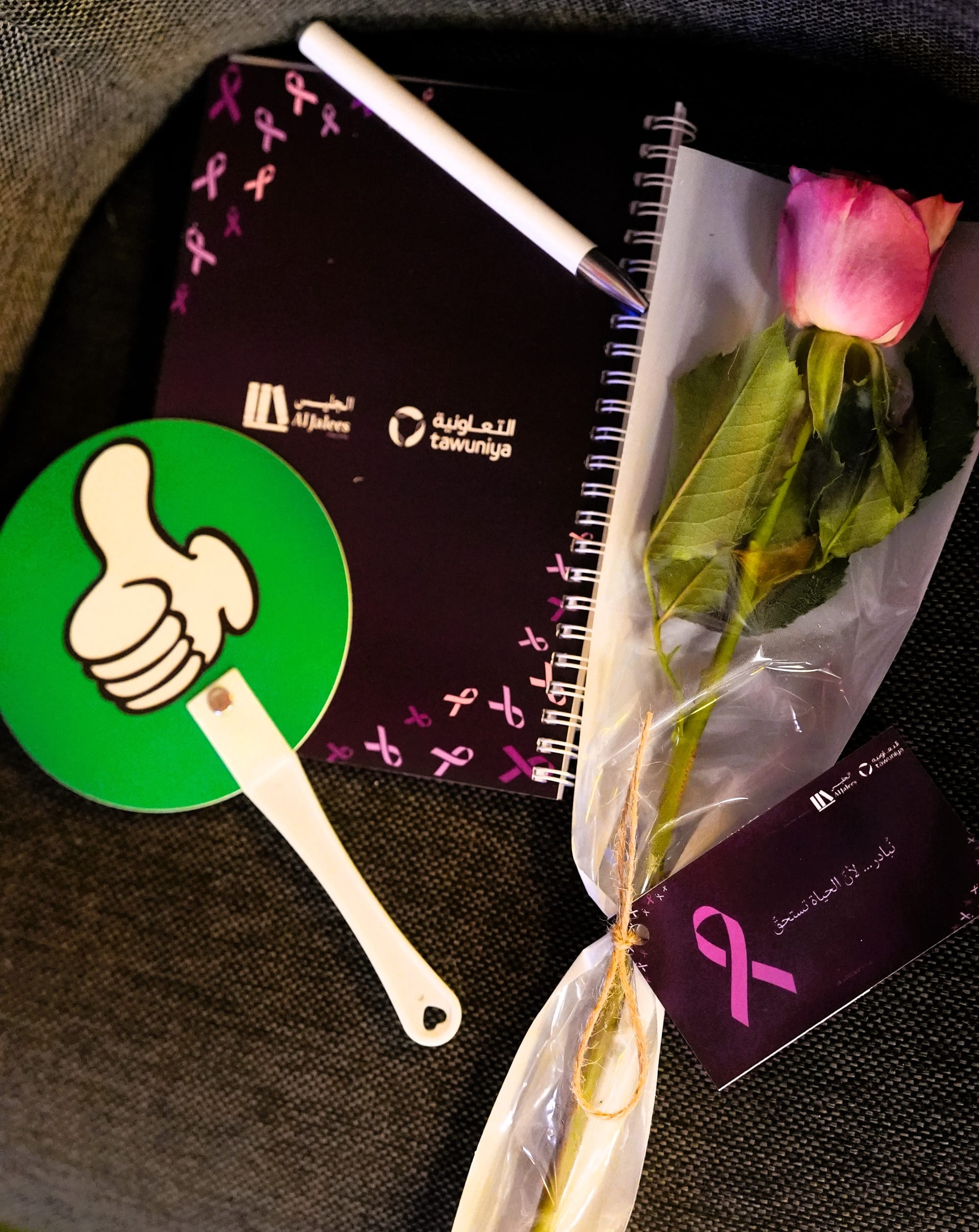
Its message travelled home on co-branded notebooks and cards accompanying roses:
“We take initiative… because life is worth it.”
The initiative might begin with an appointment, a question asked despite fear and without embarrassment, or listening gently when someone needs support. We are given opportunities to carry awareness beyond the gathering and into our daily lives.
@aljalees.sa
Watch the Full Discussion