When Time Slows: Living Through Ramadan Beyond Fasting
Ramadan, a month of reflection, renewal, and connection, arrives when the crescent moon is sighted the night before. This divine energy sweeps through our communities, filled with anticipation and joy, despite the hardships many prepare for each year. Some of us feel a familiar nervous excitement as we anticipate family gatherings, festivities, and changing habits. For Muslims and non-Muslims alike, Ramadan brings both rewards and challenges; it’s a season of transformation, a spiritual and emotional journey that touches every aspect of life. At Al Jalees, we explore topics through a cultural and literary lens, drawing from our shared experiences as readers, writers, entrepreneurs, and community builders.
For both locals and expats, the holy month of Ramadan unfolds as a deeply shared cultural experience. Days and nights feel almost reversed. Mornings grow quieter, while evenings come alive. Family gatherings begin at sunset and stretch late into the night, sometimes until dawn. Food, décor, lights, television shows, and social rituals move in sync, celebrated across homes at the same shared moments. Hunger, when experienced collectively, feels less daunting. It becomes less about deprivation and more about a shared responsibility—a collective exercise in endurance, patience, and presence.
Fasting, a religious act and one of the five pillars of Islam, is also a deliberate pause from constant consumption—of food, drink, and life’s everyday indulgences. It becomes a mirror for self-control and awareness. For many, it’s the only time of year when eating is done with intention: when hunger is felt fully, when the body is listened to, and when nourishment is no longer automatic.
Experiencing hunger throughout the day sharpens our gratitude for food and reminds us of the privilege of access—a reality many people around the world don’t share. In this pause, fasting invites reflection on what we often take for granted and creates space to appreciate God’s gifts with greater humility and presence.
While sleeping early and waking early during Ramadan is possible, it’s often challenging. Mornings feel unusually quiet, roads nearly empty, while nights come alive with movement and connection. Those who fast navigate fluctuating energy levels throughout the day, learning to slow their pace at work and home to avoid irritability and burnout.
Some may argue that this shift leads to lower productivity. However, perhaps Ramadan invites a different definition altogether. We spend most of our lives rushing—chasing goals, meeting expectations, carrying endless responsibilities. Ramadan, in contrast, feels like a God-given permission to pause. Not to stop moving entirely, but to move with more awareness, patience, and intention.
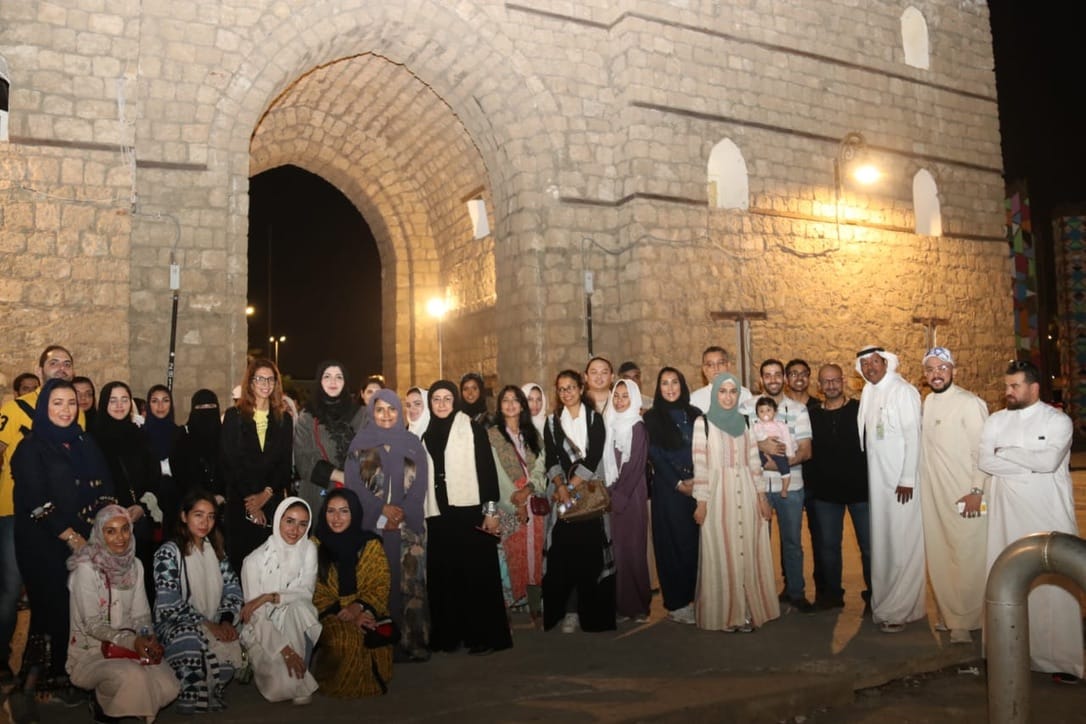
As residents of Saudi Arabia, Ramadan offers a rare opportunity to experience our cities at their most intimate and meaningful time. In Jeddah, walking through Al-Balad at night feels like stepping into a shared memory: lantern-lit alleys, historic homes, food vendors, and families moving gently between prayer and gathering. Al-Alawi Street comes alive with conversation and tradition, while Nassif House stands as a reminder of cultural continuity. Along the Jeddah Corniche, long post-iftar walks by the sea invite calm and contemplation.
In Riyadh, Ramadan transforms the city in its own unique way. After sunset, Diriyah (At-Turaif) exudes a grounded, almost meditative atmosphere, where history and introspection converge. Souq Al Zal becomes warmer and more intimate during Ramadan nights, resonating with the older rhythms of community life. Masmak Fort stands as a grand symbol of endurance and beginnings, while the King Abdulaziz Historical Center offers open spaces for reflection, learning, and a slower pace of life. These places remind us that Ramadan is not confined to homes or mosques; it is also experienced through streets, markets, and shared public spaces.
Last year, I discovered that Ramadan—not January—is my true month of resolutions. I tend to overwork both personally and professionally, and Ramadan arrives as a much-needed interruption. It grants me permission to slow down and step back from constant activity. In that pause, I find the space to reassess my relationships, make decisions, and set goals. Initially, what feels challenging gradually becomes grounding. Ramadan reminds me that reflection is not a luxury; it is essential for growth.