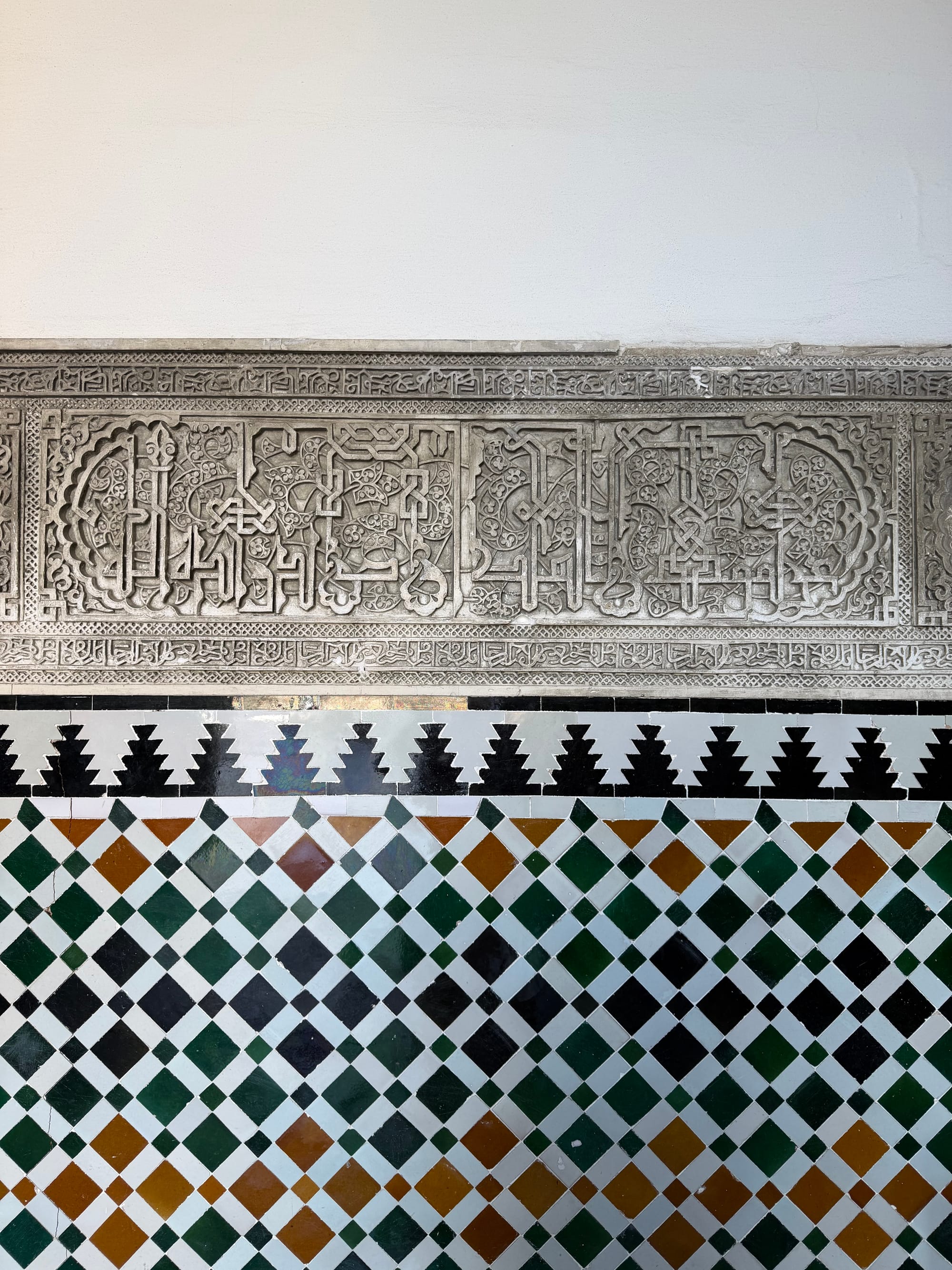
Lessons From Andalusia
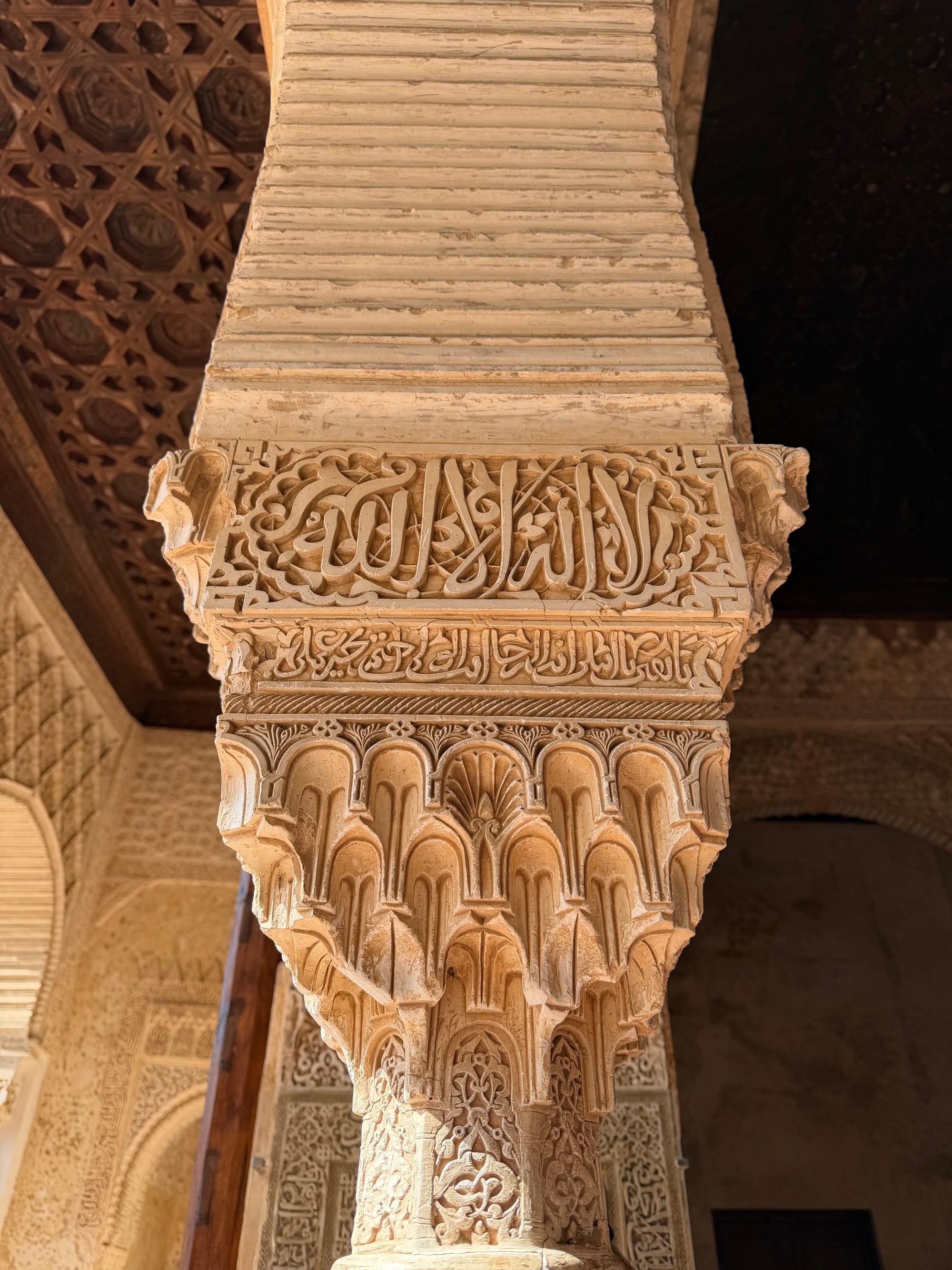
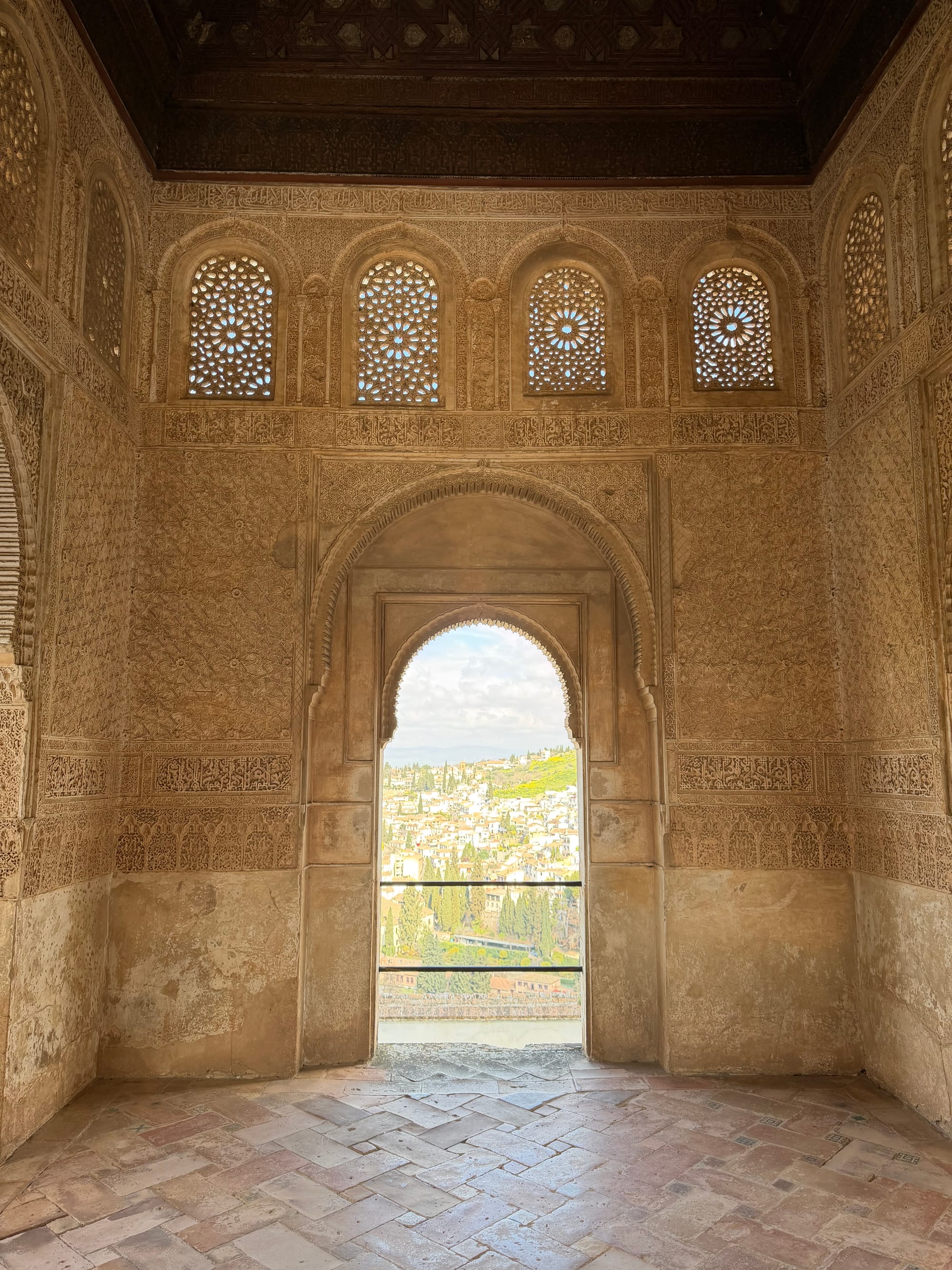
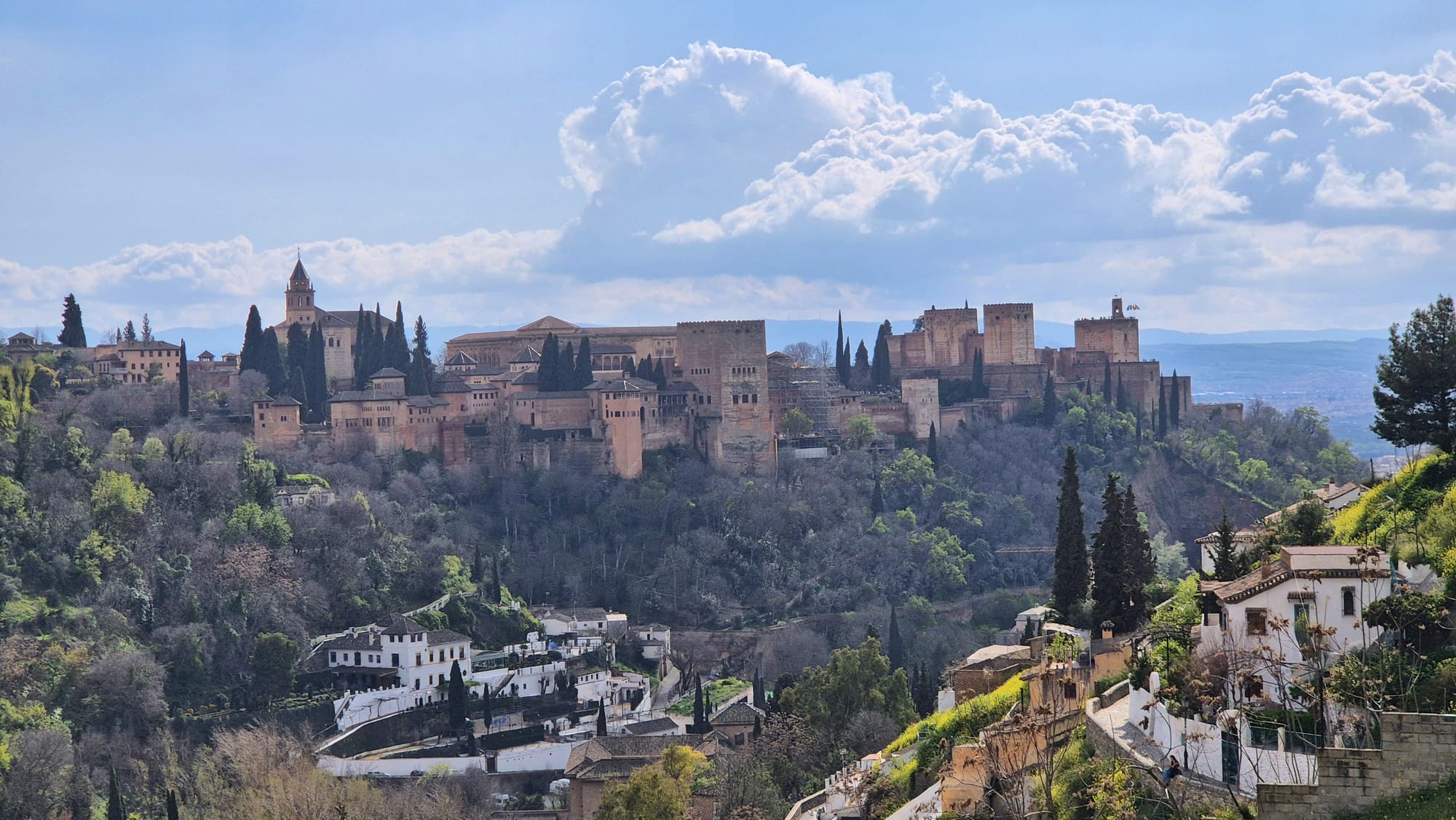
In Granada, standing in the shadow of the Alhambra, Mohammad didn’t feel like he was visiting history, he felt like he was walking through the remains of something that we lost. The author reflects on a visit to Al-Andalus, exploring its rise and fall.
This article is translated, click to read the original post.
What Are We Missing? Lessons from Andalusia
To study the history of Andalusia — from its founding by Abd al-Rahman al-Dakhil, through its golden age, into the fragmented era of the Taifa kings, and finally its fall — is to feel an unsettling sense of familiarity. This is not the distant past. It is a pattern.
Andalusia was not an impoverished civilization. It was not short on intellect, resources, or ambition. At its height, it stood among the greatest societies in the medieval world. And yet, it fell.
The Beginning: States Are Built by Will
The story starts with a single man. In 756 AD, Abd Al-Rahman Al-Dakhil built a state from nothing. He arrived without an army, without wealth, without institutional backing. What he carried instead was clarity of purpose, an iron will, and the rare capacity to translate vision into structure. That was enough.
The Summit: When Power and Civilization Meet
Andalusia reached its cultural and political peak under Abd al-Rahman al-Awsat, and its military prestige peaked under Muhammad ibn Abi Amir — al-Mansur — who led more than fifty campaigns without a single defeat. Under such leadership, Andalusia commanded not just territory, but respect.
Then the era shifted.
By the time of the Taifa kingdoms, the balance of power had reversed so completely that Alfonso VI was extracting tribute payments at the very tomb of al-Mansur. A messenger, sent to deliver those demands, reportedly said: “If the man in this grave were alive, I would not be saying what I am about to say.” Alfonso’s own wife reportedly warned him not to kill the messenger — telling him to save his show of strength for the living, not the dead.
The message embedded in that exchange is stark: when power existed, respect followed. When power dissolved, so did everything else.
The Fracture: Decline Begins Within
Andalusia did not collapse overnight. It eroded from the inside.
When the Caliphate fell in 1031 AD, it splintered into dozens of Taifa kingdoms. Each ruler became consumed by the preservation of his own domain — suspicious of his neighbors, blind to the larger picture, incapable of collective action. There was no shared project, no unified vision. Only competing interests.
The Deeper Fall: When the Enemy Becomes the Ally
The most damaging chapter was not military defeat — it was political capitulation. Some Taifa kings entered into alliances with Alfonso VI, paying him tribute in exchange for protection from their fellow Muslim rulers.
One king reportedly said: “If there is nothing in the service of the cross that will preserve my kingdom, then I will serve it.”
But not all dignity had vanished. Al-Mu’tamid ibn Abbad, when faced with the choice of submission to the Almoravid leader Yusuf ibn Tashfin or subordination to Alfonso, responded memorably: “To herd the camels of Ibn Tashfin is better than to herd the pigs of Alfonso.”
Rescue Attempts: Victory Without Foundation
Yusuf ibn Tashfin answered the call. At the Battle of Zallaqa in 1086 AD, a unified Muslim force delivered a crushing defeat to Alfonso’s armies. The victory was real — made possible, notably, by unity of command and clarity of objective.
But after ibn Tashfin returned to North Africa, the divisions resumed. He eventually came back and brought Andalusia under Almoravid rule. The Almohads followed, winning a decisive engagement at Alarcos in 1195 AD. Yet their defeat at Las Navas de Tolosa in 1212 AD marked the point of no return.
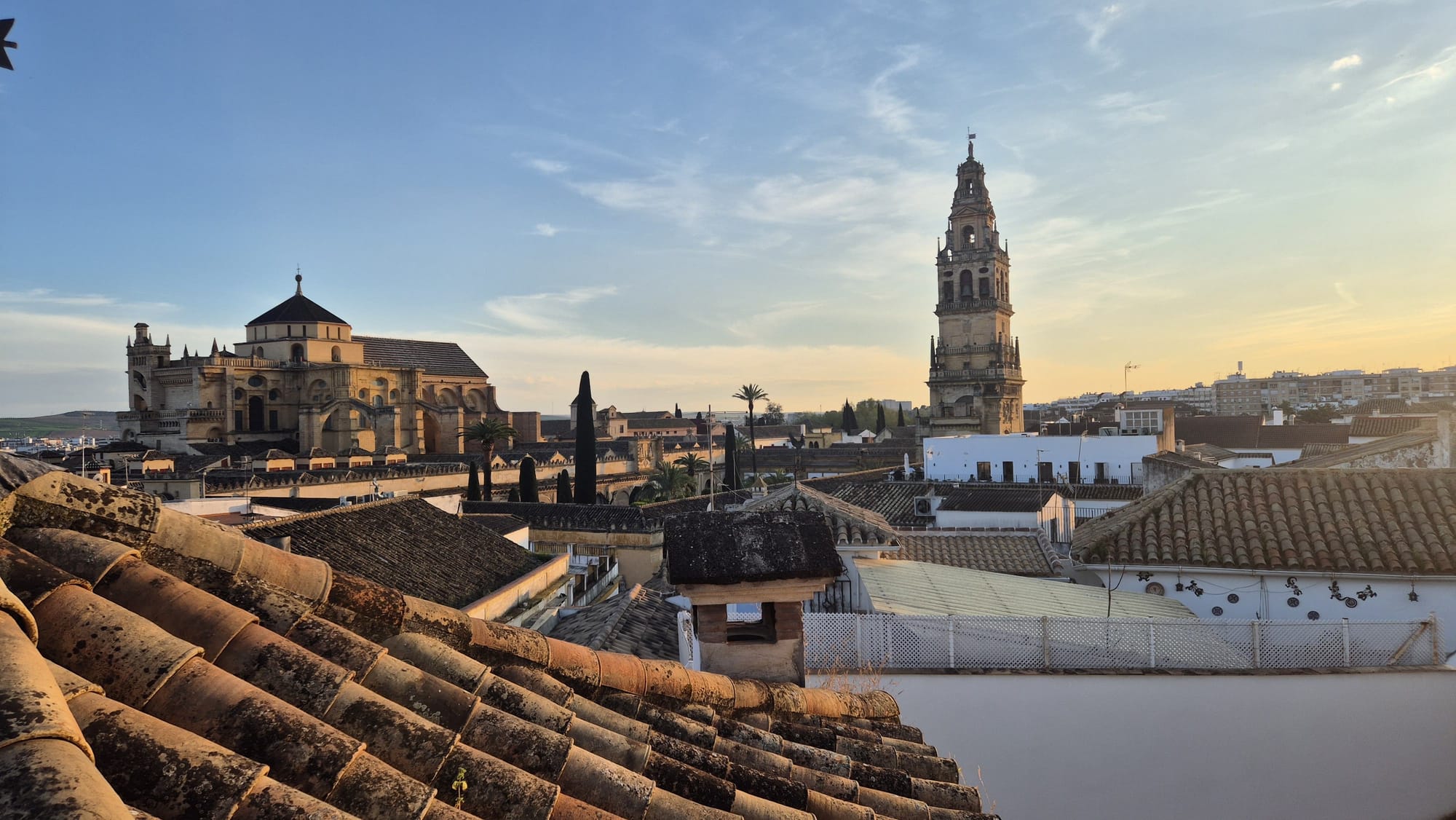
The subsequent losses came in rapid succession: Córdoba in 1236, Seville in 1248. Victory, it turned out, was not enough on its own. Without consolidation, without institution-building, without the harder work that follows a battlefield win, it could not hold.
The End
Granada fell in 1492. Its last ruler, Abu Abdullah al-Saghir, wept as he left the Alhambra. His mother, by some accounts, said to him: “Weep like a woman for the kingdom you could not defend like a man.”
The Lesson: What Are We Missing?
The failure of Andalusia was not one of capability. The civilization had everything it needed — except coherence. What undid it was fragmentation, internal rivalry, short-term thinking, and the absence of any sustained, generational project.
Mapped onto the present, the deficits look familiar: a lack of unified purpose, absence of long-range vision, reluctance to make difficult decisions, and an inability to build on moments of success rather than simply celebrate them.
Our Actual Role
We may not be in a position to rewrite history. But we are responsible for the role we play in it.
Educating our children upon sound values. Building their awareness and confidence. Instilling pride without hatred. Promoting understanding without extremism. Working sincerely and striving for excellence. To become, in our own small spaces, the opposite of the mistakes of the past.
Because nations do not rise suddenly. They’re built person by person, generation after generation. Perhaps that is where the journey begins.
Originally written by Mohammad Alsaeed