Diriyah Storytelling Festival: Where Heritage Speaks
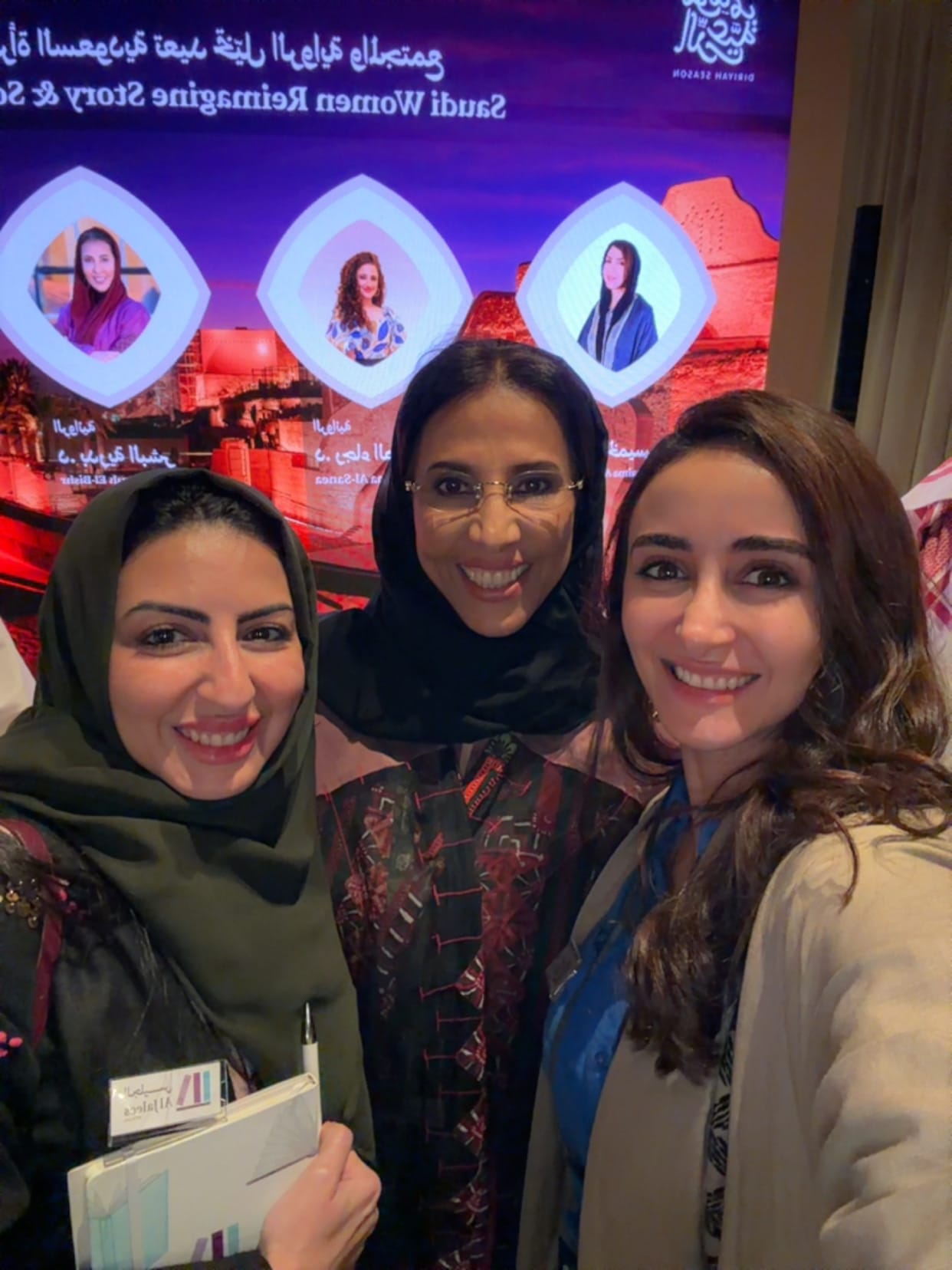
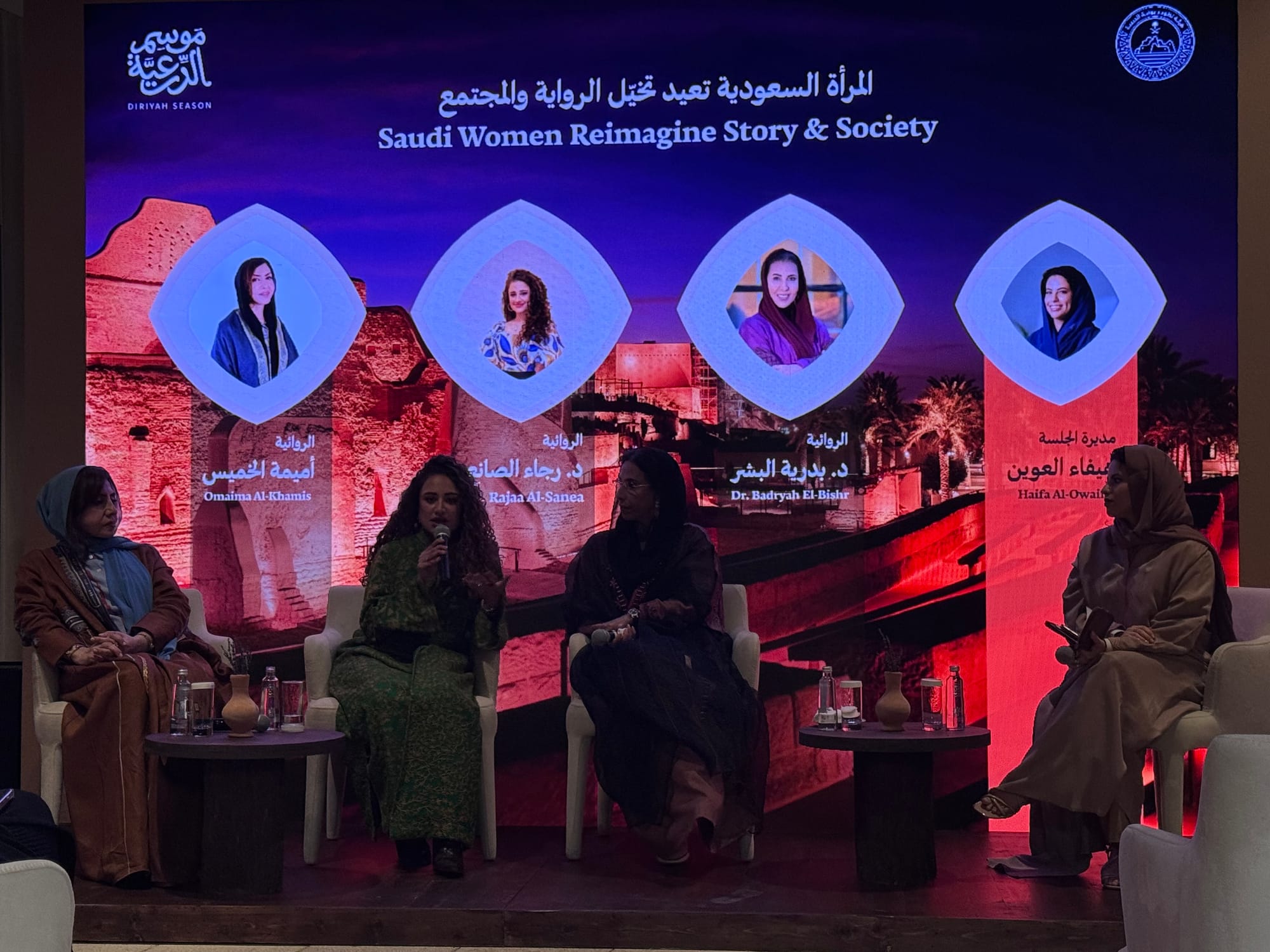
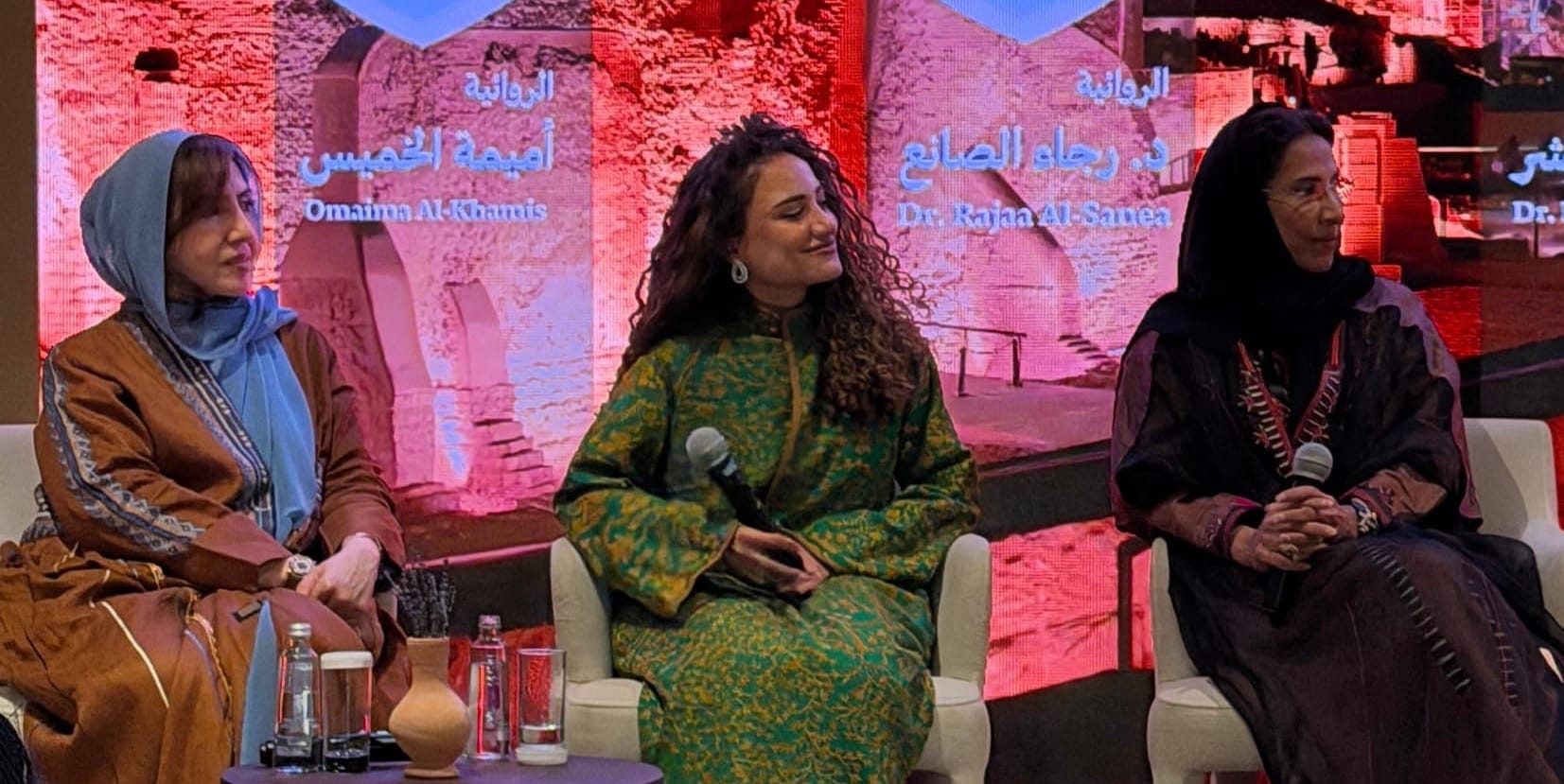
The Diriyah Storytelling Festival opened with a powerful conversation led by three celebrated novelists — Omaima Al-Khamis, Rajaa Al-Sanea, and Badriya Al-Bishr — who explored how women have shaped, protected, and reimagined the nation’s narrative identity.
The Diriyah Storytelling Festival has officially kicked off, running from November 16th to November 29th, from 4:00 pm to 12:00 am across the historic spaces of Al Bujairi. Open to all ages, the festival brings together an exciting mix of live performances, poetry readings, book exhibitions, and hands-on creative workshops, creating an atmosphere where art and imagination thrive. Alongside these events, visitors can enjoy a variety of entertainment areas and interactive zones designed to showcase how storytelling is woven into every detail of the experience. The festival is more than just a cultural gathering, it’s an immersive journey that blends fun, learning, and a deep appreciation of heritage. Every visit becomes a memorable adventure filled with discovery and inspiration.
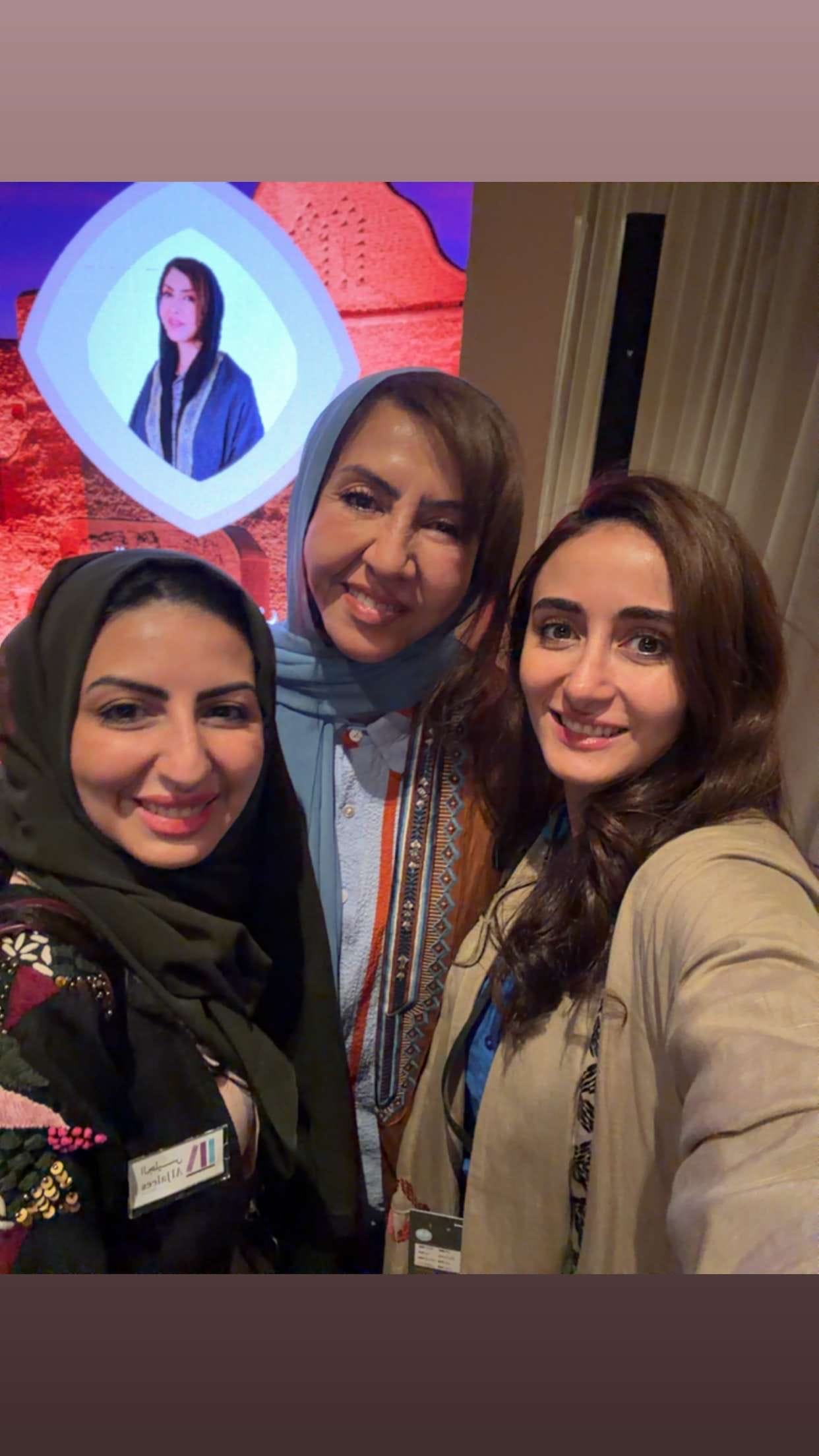
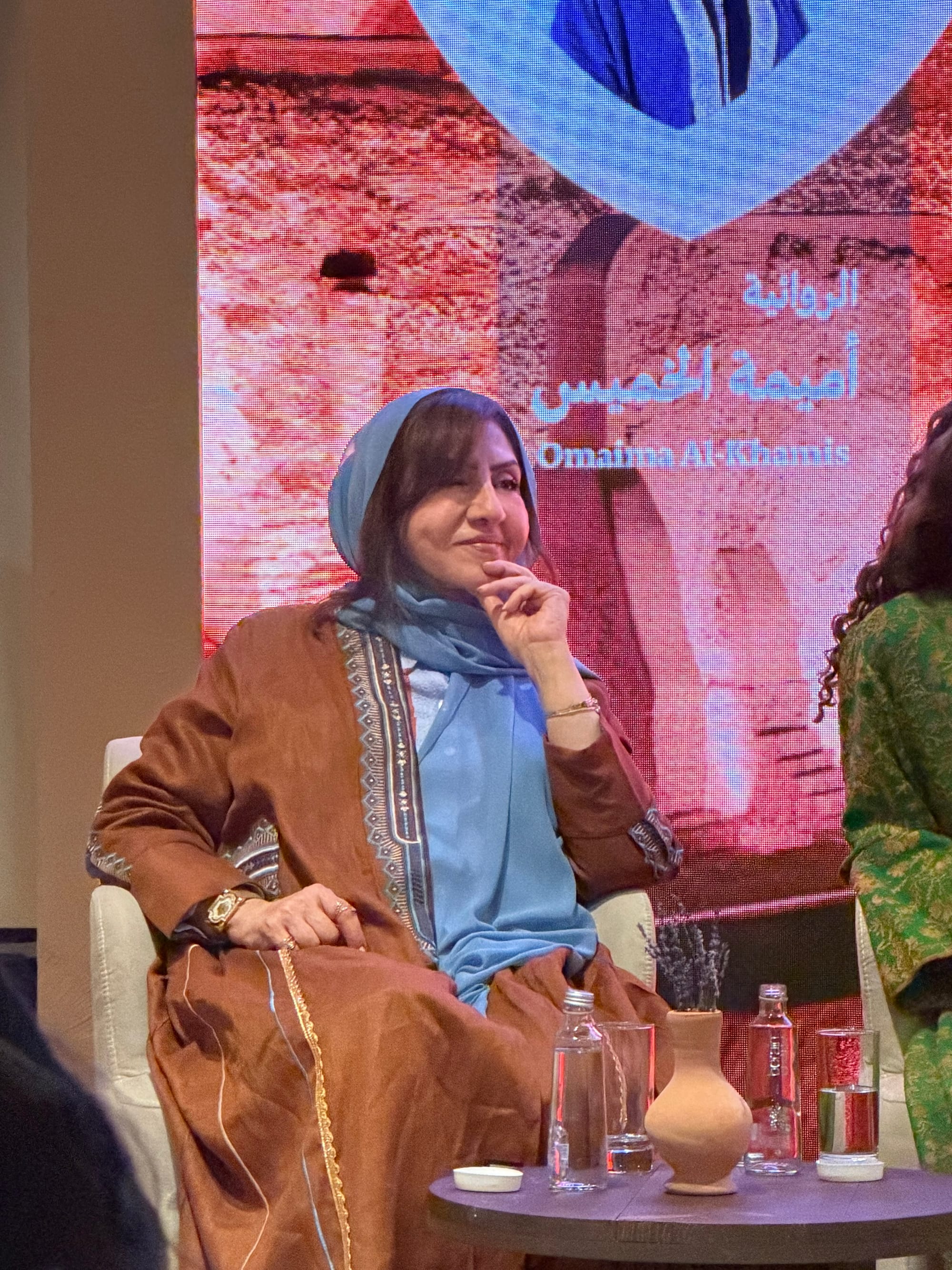
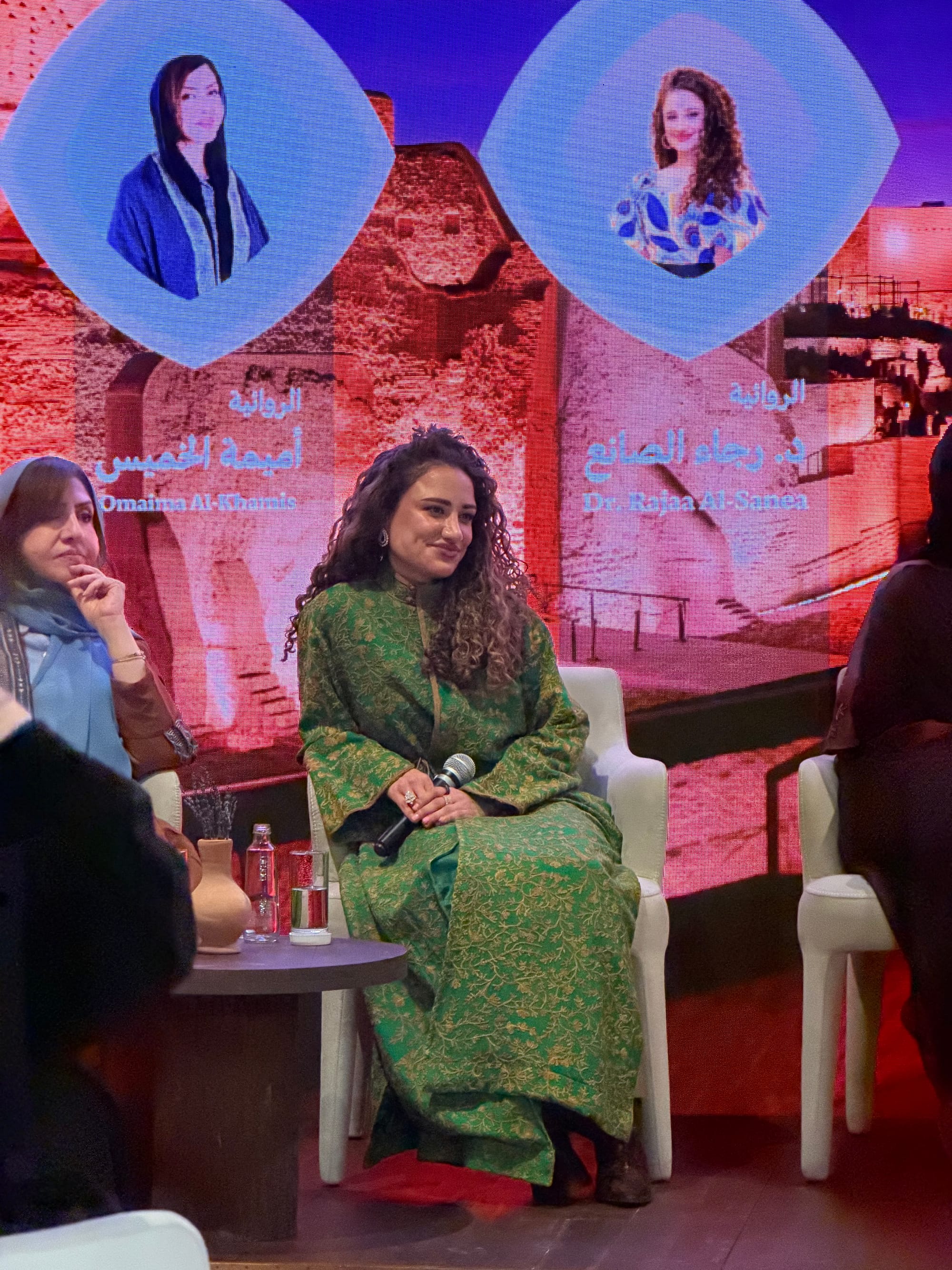
During an engaging panel discussion on the first day, three celebrated Saudi novelists — Omaima Al-Khamis, Rajaa Al-Sanea, and Badriya Al-Bishr — took the stage to explore the role of women in Saudi storytelling. From the long legacy of women as guardians of memory to the evolving landscape of feminist fiction, the discussion highlighted how far women’s voices have come, and how central they are to the future of the literary scene.
The panel delved deeply into how women have shaped the nation’s narrative identity. “Much of our history would have vanished,” Omaima expressed, “if women had not written it down.” Their sensitivity to detail, their attentiveness to the margins, and their intuitive connection to social transformation have positioned women not only as storytellers, but as archivists of collective memory.
Omaima Al-Khamis emphasized that writing requires immense inspiration — and that women have always been its quiet wells. She described literature as a moral responsibility: to observe, to record, and to reveal. She also noted that the sharper a writer becomes, the more intelligently she navigates creativity under constraint, turning censorship into a challenge rather than a barrier.
The conversation then shifted to the pressures facing female authors today. Although Saudi Arabia is living a moment of cultural openness, some writers still feel the remnants of an invisible ceiling. Whether through mentorship, creative spaces, or institutional support, all three agreed that female writers deserve greater encouragement to explore new narrative forms, styles, and genres. Literary diversity is strengthened when women experiment freely.
The panel also explored the evolution of the Saudi novel — from modernism to postmodernism, and now to what writers are calling the post-pandemic era of sincerity. Badriya Al-Bishr reflected that contemporary novels have become quieter, more contemplative, grounded in humanity rather than structural rebellion. Today’s storytelling leans toward stillness, nuance, and emotional truth.
Rajaa Al-Sanea added that women’s writing is not new — “we are only now learning to hear its whisper.” She spoke about the inner room a woman needs, echoing Virginia Woolf, where solitude allows characters to mature and find their voice. She reminded young writers: “You cannot tell your story until you’ve laid down the weight you’re carrying.”
The festival’s emphasis on feminist fiction resonated throughout the discussion. It reinforced the idea that writing is not merely a craft — it is how women preserve identity, transmit values, and document transformation. With growing institutional support and cultural recognition, a new generation of female writers is emerging with confidence and originality.
The panelists offered advice to aspiring writers:
• explore every style, every voice, every medium
• trust the inner voice, even when it shakes
• read widely and without apology
• never hide or silence your work out of fear
• remember that writing is not marginal — it is devotion
And above all, they insisted on honoring pleasure in writing. “Writing must be joy before it is message,” one author noted, capturing a sentiment that resonated across the room.
Al Jalees at the Festival
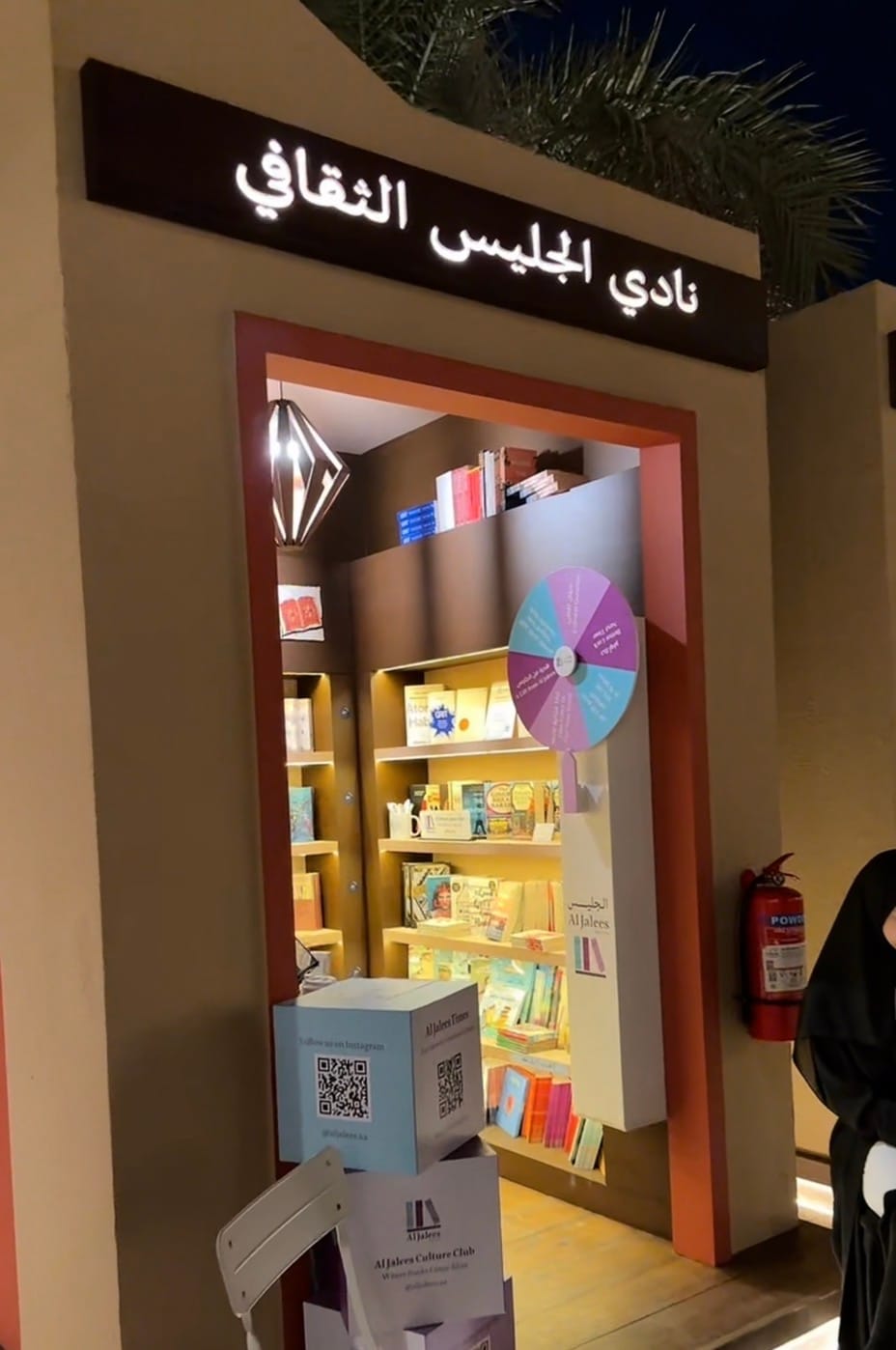
Catch Al Jalees at the festival throughout the two weeks of celebration. Stop by our booth to explore a curated selection of books, discover exclusive offers, and browse unique literary merchandise designed for readers and collectors. This year, Al Jalees is also hosting multiple book discussion sessions and a series of author book-signing events, giving visitors a rare chance to meet writers and engage directly with their work. Whether you’re a passionate reader or simply wandering through Al Bujairi, you’ll find something to spark your curiosity.
Stay tuned — we will release a full schedule of all Al Jalees activities at the festival.